
 VIE
 EN
Benefits of Sustainable Agricultural Production and Consumption Linkage Models
In modern agriculture, one of the major problems faced by producers and businesses is the lack of stability in the agricultural supply chain. Farmers may create quality products but struggle to find markets, while processing or distribution businesses find it difficult to proactively source standard raw materials. Small-scale, fragmented production lacking linkage between parties prevents the full exploitation of agricultural value, while creating many risks regarding price, quality, and output. Faced with these challenges, the agricultural production linkage model is becoming an important direction to help build a more efficient, stable, and sustainable agricultural sector. Instead of operating individually, parties in the value chain such as farmers, cooperatives, manufacturing enterprises, processing units, and distribution systems coordinate to create a closed production process from input to output. This model not only helps farmers reduce their dependence on the free market but also helps businesses be more proactive regarding raw material sources. With close cooperation, parties can jointly build production standards, apply technology, control quality, and enhance the commercial value of products. Especially in a context where consumers increasingly care about the origin, safety, and quality of food, building production and consumption linkage chains is a crucial factor helping Vietnamese agricultural products improve their competitiveness in both domestic and international markets.
The role of agricultural production linkage models in modern agriculture
Traditional agricultural production often has many limitations due to small-scale farming. Farmers usually decide themselves what to plant or raise based on experience or market fluctuations at each moment. This easily leads to supply exceeding demand, sharp drops in agricultural prices, or products failing to meet market requirements. The agricultural production linkage model was born to solve these limitations by creating coordination between entities in the value chain. In this model, businesses can participate from the very beginning by providing production direction, seeds, technical support, and purchase commitments.
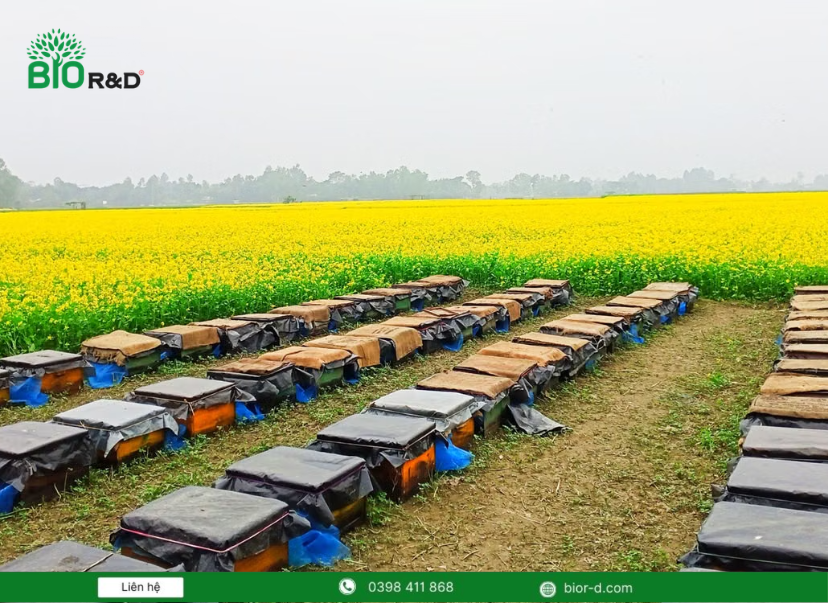
Farmers are guided to produce according to specific standards, reducing risks and improving economic efficiency. An important point of the linkage model is the ability to create a balance of interests among the parties. Producers have stable output, businesses have quality raw materials, and consumers receive safer and more transparent products. Besides this, this model promotes the transition from a production-by-quantity agricultural sector to one driven by market demand. Instead of focusing only on creating many products, producers can focus more on quality, standards, and commercial value. In the long term, production linkage is the foundation for forming centralized raw material zones, developing high-tech agriculture, and elevating the position of agricultural products in the market.
>>> You may be interested in: Why should businesses invest in developing their own raw material zones?
Outstanding benefits of agricultural production and consumption linkage models
Building a linkage chain between production and consumption brings many practical benefits to farmers, businesses, and the entire agricultural industry. This is not only a solution to solve output issues but also helps improve production efficiency comprehensively.
- Helps farmers have more stable output thanks to purchase contracts established before the production season.
- Businesses proactively source quality raw materials, reducing the risk of product shortages during processing.
- Production processes are strictly controlled, helping to improve the quality of agricultural products and meet market standards.
- Producers receive technical support, seeds, and appropriate farming methods to increase productivity.
- Linkage chains help reduce intermediate costs through optimizing the purchasing, transportation, and distribution processes.
- Products with clear origins help increase consumer trust and enhance brand value.
Not only creating economic benefits, the linkage model also contributes to changing the production mindset of farmers. From spontaneous production, many households are moving toward planned production, complying with standards, and aiming at the actual needs of the market.
How the linkage model helps improve the quality and value of agricultural products
One of the most important advantages of the production linkage model is the ability to control product quality throughout the development process. When parties join the value chain together, every stage from production, harvesting, preliminary processing to consumption is managed more strictly. In the traditional model, businesses often only receive products after farmers have completed the production process. This makes controlling factors such as seeds, fertilizer amounts, plant protection products, or care methods difficult.
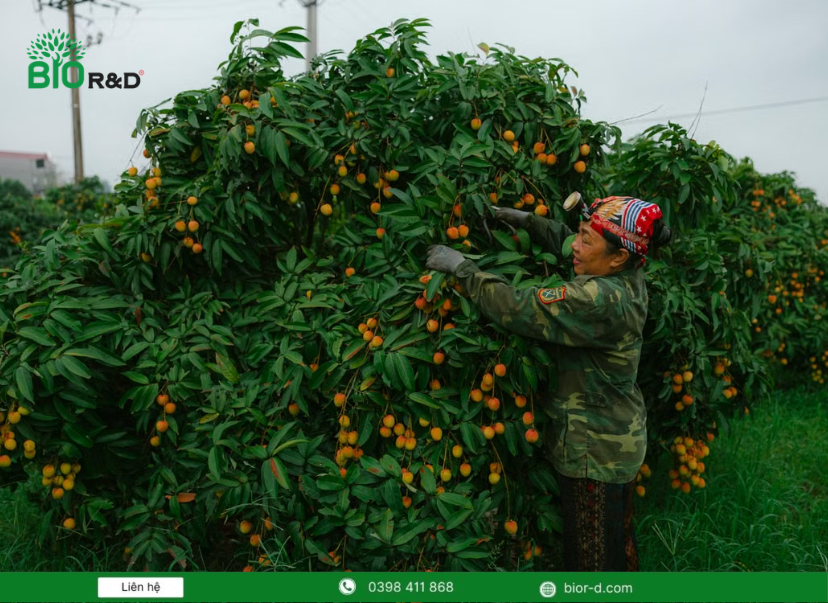
Conversely, with the linkage model, businesses can guide people in implementing production processes right from the beginning. Standards for quality, food safety, harvest time, and storage methods are unified before implementation. This helps create more uniform products, suitable for the requirements of modern distribution systems such as supermarkets, restaurants, or export markets. In addition, building linkage chains helps enhance brand value. When products have a clear story about the growing region, production process, and raw material origin, businesses can create greater competitive advantages in the market.
>>> You may be interested in: Criteria for Evaluating a High-Tech Agricultural Farm
Common forms of agricultural production linkage currently
Currently, the linkage model in agriculture is implemented in many different forms to suit the production conditions and business goals of each region.
- Linkage between businesses and farmers through purchase contracts helps ensure the source of goods and stable product value.
- Linkage through cooperatives helps gather many small-scale producers into a larger raw material zone.
- Models where businesses invest directly in production zones help control the entire process from seeds to consumption.
- Linkage between scientists, businesses, and producers helps apply new techniques to the farming process.
- Chains from production to processing help increase the value of agricultural products instead of just selling raw products.
- Linkage with modern distribution systems helps products reach different customer groups and markets.
Each form has its own advantages, but they share the goal of building a transparent, effective, and long-term development production chain.
Application of technology in modern agricultural production linkage models
Technology is playing an increasingly important role in improving the efficiency of production linkage models. Thanks to technology application, businesses and producers can better manage the entire process from farming to consumption. Traceability systems help store information about production processes, harvest times, cultivation areas, and care methods. This helps increase transparency and build customer trust.
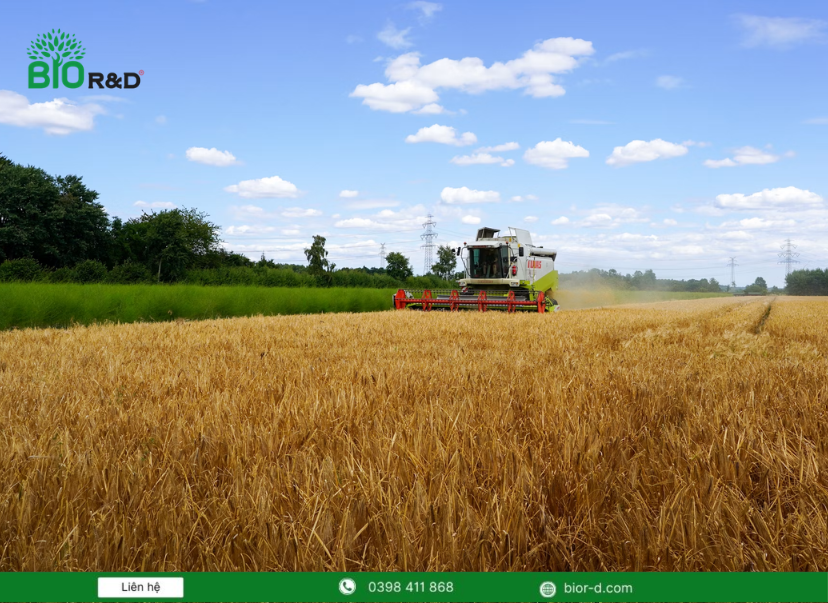
In addition, smart agricultural management platforms support tracking output, forecasting market demand, and optimizing production plans. Farmers can access technical information faster, while businesses easily manage raw material zones. Combining technology and linkage models is opening up new development directions for the agricultural industry, helping to reduce waste, increase efficiency, and enhance competitiveness.
>>> You may be interested in: Solutions for Reducing Livestock Farming Costs Using Modern Microbial Systems
Important factors to build a sustainable linkage model
For the agricultural production linkage model to operate effectively for a long time, participating parties need to build a transparent and responsible cooperation foundation. Not only relying on sales contracts, the success of the model also depends on the level of trust and coordination ability between parties.
- Businesses need to build clear cooperation policies to motivate producers to participate long-term.
- Farmers need to comply with technical processes to ensure product quality according to common requirements.
- Parties need to regularly exchange information to timely handle arising issues in production.
- The quality control system needs to be continuously maintained to ensure product stability.
- Sharing benefits fairly helps maintain sustainable cooperative relationships between parties.
- Investing in technology and technical training helps improve the efficiency of the entire linkage chain.
When these factors are ensured, the linkage model not only brings economic benefits but also contributes to building a stably developing agricultural sector.
Challenges when implementing agricultural production linkage models
Although bringing many benefits, the process of building a linkage model still encounters certain difficulties. One common issue is the lack of uniformity in production mindset among participating parties. Many farmers are accustomed to traditional production methods and have not fully adapted to requirements for technical standards or quality control processes. Meanwhile, businesses need to invest large resources to guide, manage, and maintain the linkage chain.
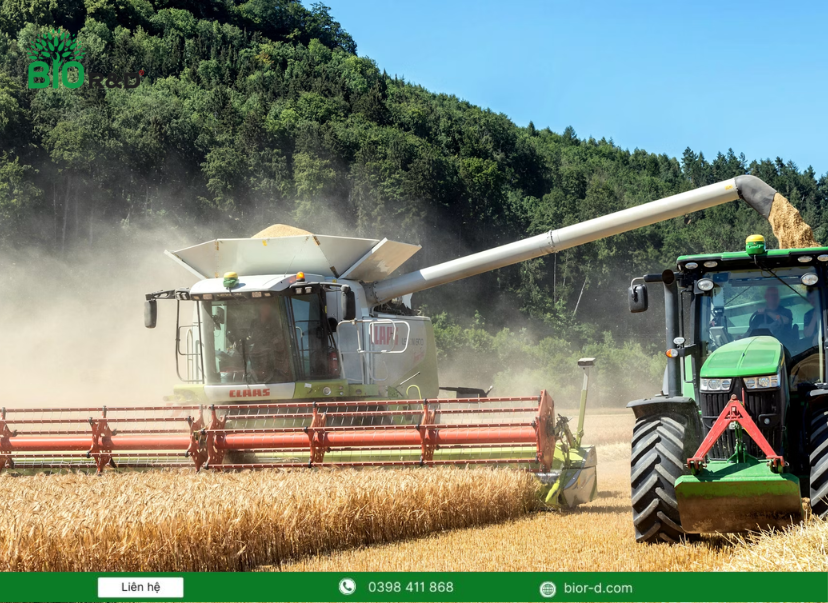
In addition, market fluctuations are also factors affecting the effectiveness of the model. Prices, consumer demand, or new market requirements may require businesses and producers to regularly adjust plans. To overcome these challenges, coordination is needed between businesses, citizens, management agencies, and support organizations to build a more stable cooperation environment.
Conclusion:
In the current agricultural development trend, the agricultural production linkage model is becoming an important solution to help improve production efficiency, stabilize output, and increase value for agricultural products. Through cooperation between farmers, businesses, and related units, the agricultural value chain is perfected, reducing risks and creating high-quality products that meet market demand. Not only helping to solve consumption problems, the linkage model also promotes the process of transitioning to modern agriculture, applying technology, and aiming for sustainable development. In the future, businesses that know how to build effective linkage systems will have more advantages in proactively managing raw material sources, improving competitiveness, and creating long-term value for the agricultural industry. This is the necessary direction to build a stable, professional agricultural production sector suitable for global development trends.
Contact Information
BIO R&D COMPANY LIMITED
- Office: 83 Xo Viet Nghe Tinh, Ward 7, Da Lat City, Lam Dong Province
- Farm: Thanh Ha Hamlet, Phi To Commune, Lam Ha District, Lam Dong Province
- Hotline: 0398 411 868 - 0983 276 527
- Website: bior-d.com
- Email: biogap.org@gmail.com


