VIE
 EN
Criteria for Evaluating a High-Tech Agricultural Farm
In the context of the agricultural industry undergoing a strong transformation towards modernization, building production models that apply high technology has become an inevitable trend to improve productivity, agricultural product quality, and competitiveness in the market. No longer completely dependent on traditional experience, current farming models are leveraging the development of automation technology, artificial intelligence, smart sensors, data management systems, and advanced biological solutions to optimize the production process. A high-tech agricultural farm is not simply a place that uses modern machinery or applies a few automatic devices in farming. This is a production model built based on a combination of science and technology, strict management processes, and sustainable production methods. From variety selection, crop or livestock care, environmental control, and harvesting to preservation and distribution, everything is monitored by specific standards. Assessing the quality of a high-tech farm needs to be based on many different criteria rather than just looking at the area scale or the level of equipment investment. A farm may possess expensive machinery, but if it lacks scientific operating processes, poor data management capability, or does not ensure sustainability, it cannot yet be considered a complete high-tech agricultural model. Therefore, understanding the evaluation criteria will help businesses, investors, and producers have a more accurate view of the actual effectiveness of this model. At the same time, this is also an important basis for building modern production systems that meet the increasing demands of the market for safe, quality, and eco-friendly food sources.
Level of technology application in the agricultural production process
The first criterion for evaluating a modern farm is the level of technology application in the production process. Technology not only plays a supporting role but also becomes a core factor helping to control all farming activities, reducing dependence on natural conditions, and improving resource use efficiency. A high-tech agricultural farm is often identified through the use of automation systems such as smart irrigation, temperature adjustment, humidity control, lighting management, or environmental monitoring using sensors. These devices help producers collect data continuously, thereby making more accurate care decisions instead of relying entirely on personal experience.
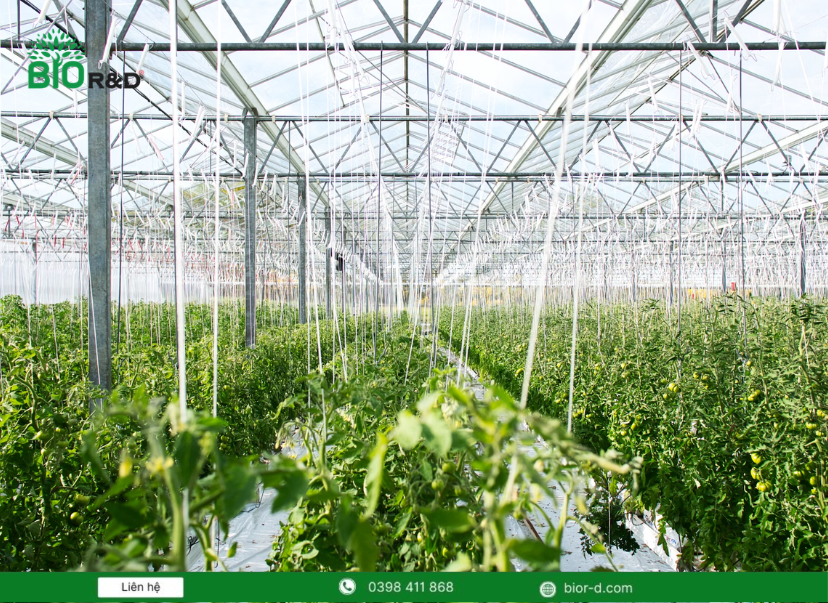
For example, in a greenhouse vegetable growing model, sensor systems can monitor temperature, soil moisture, light intensity, and nutrient concentration to adjust the environment suitable for each stage of plant development. In livestock farming, technology can be used to control barn temperature, monitor livestock health, and automate the feeding process. In addition to physical equipment, the application of management software is also an important factor. Agricultural management systems help store information about planting history, amount of fertilizer used, pest status, harvest yield, and operating costs. Thanks to this, managers can evaluate production efficiency based on actual data. A truly high-tech farm not only uses technology to create products but must also know how to exploit data to continuously improve production processes.
>>> You may be interested in: Solutions for Reducing Livestock Farming Costs Using Modern Microbial Systems
Criteria for production processes and quality control capability
Besides technology, the production process is the factor that determines the professionalism and efficiency of a farm. A modern model needs to build a clear process from input to output, ensuring that every stage is controlled and traceable. The production process in a high-tech farm often starts with selecting quality seed sources, checking land conditions, water sources, and cultivation environments. Throughout the development process, crops or livestock are regularly monitored to detect abnormalities early.
- The variety selection process needs to ensure clear origin, good adaptability, and suitability for actual production conditions.
- The environmental control system must be designed scientifically to maintain stable growth conditions for crops or livestock.
- Care standards need to be specifically built to help reduce errors in operation and improve product uniformity.
- The harvesting and post-harvest processing process must ensure limited losses, maintaining the quality and commercial value of agricultural products.
- A traceability system needs to be deployed to ensure product information transparency before reaching consumers.
- Periodic quality checks help detect issues early and maintain stable production standards.
A scientific process will help the farm operate more efficiently, reduce incidental costs, and create trust with customers. This is also a factor that helps high-tech models easily expand their scale in the future.
Data management capability and smart technology application
In modern agriculture, data is considered an important resource helping to improve production efficiency. A high-tech agricultural farm not only needs smart devices but must also know how to collect, analyze, and use data effectively. Through sensor systems and management software, the farm can accurately track many factors such as temperature, humidity, irrigation amount, soil nutrient status, or plant growth rate. This data helps managers make faster and more accurate decisions.
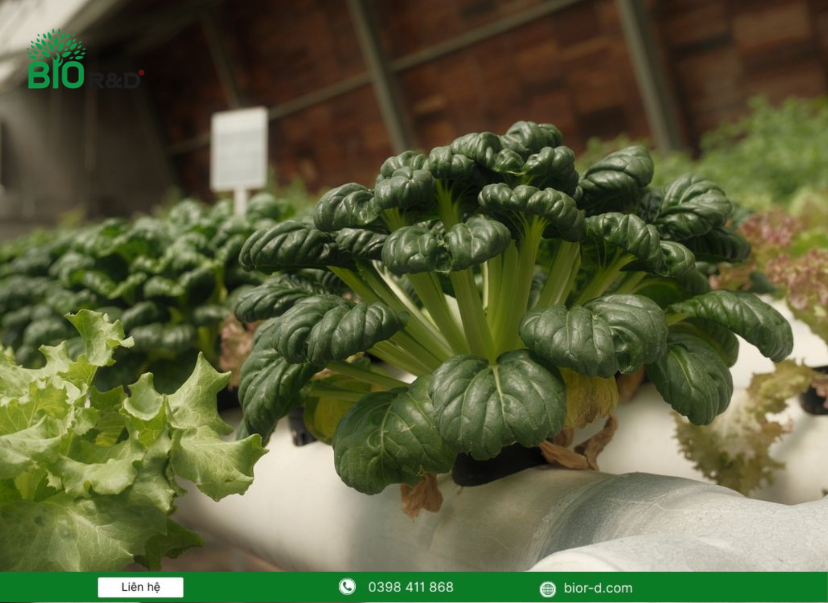
For example, instead of watering on a fixed schedule, a smart system can adjust the water amount based on actual soil moisture. This both helps plants grow better and saves water resources. Furthermore, storing data through each production season also helps the farm evaluate long-term efficiency. Managers can compare yields between seasons, analyze causes affecting production, and find appropriate improvement plans. This is a big difference between traditional production models and high-tech agricultural models. Technology not only replaces manual labor but also helps people manage production based on accurate information.
>>> You might be interested in: Application of biological products for soil improvement and fertility enhancement
Criteria for productivity and economic efficiency of the farm
No matter how modern a production model is, it must be evaluated based on actual economic efficiency. High productivity, reasonable costs, and the ability to generate stable profits are important factors determining the success of a farm. High technology helps optimize many factors in production such as irrigation water amount, fertilizer amount, labor, and care time. When input factors are well-controlled, the farm can reduce operating costs but still maintain or increase production output. Besides productivity, product quality also greatly affects economic value. Products produced in a well-controlled environment often have high uniformity, ensuring safety and easily accessing markets with strict requirements. A successful farm not only creates many products but also needs to build a sustainable value chain from production to consumption.
Capability to use biotechnology and eco-friendly solutions
Another important criterion for evaluating high-tech farms is the ability to combine modern technology with environmental protection solutions. Modern agriculture not only aims for productivity but also needs to ensure ecological balance.
- Application of biological products helps improve cultivated soil, reduce dependence on chemical fertilizers, and maintain the natural ecosystem.
- Using biological pest control methods helps protect crops without negatively affecting the environment.
- Water reuse systems help save resources and reduce wastewater during production.
- Modern waste treatment technology helps limit pollution and utilize agricultural by-products effectively.
- Circular models help turn waste into resources serving the production process.
- Clean energy solutions contribute to reducing operating costs and improving the sustainability of the farm.
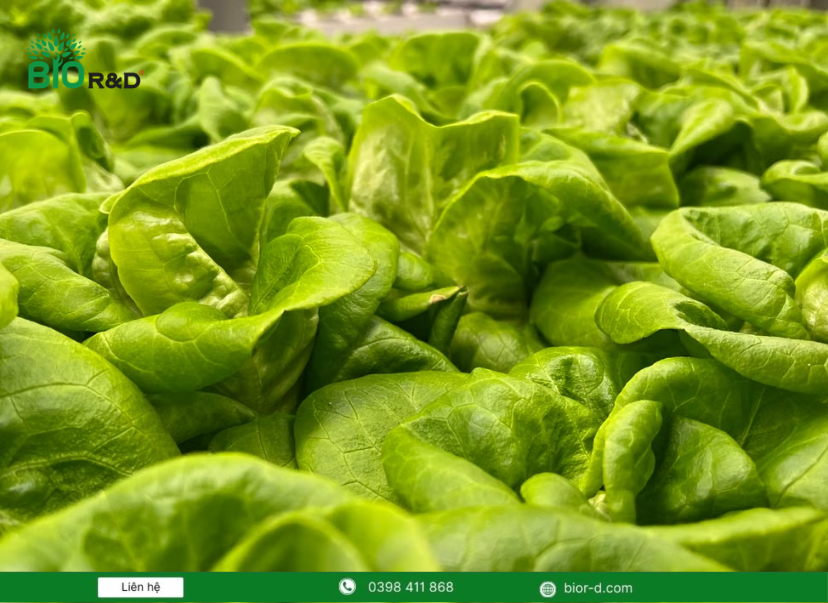
Combining technology with environmental factors helps the farm develop more stably, while also meeting the increasingly popular green consumption trend.
Standards for human resources and system operation capability
Although equipped with many modern technologies, the human element still plays an important role in operating and exploiting the system effectively. A high-tech farm needs a staff team that understands techniques, technology, and production processes. Workers not only perform regular care work but also need to know how to operate equipment, read data from monitoring systems, and handle arising situations. Besides that, regular staff training is also a factor helping the farm adapt to new technologies. When people and technology coordinate effectively, the production model will achieve higher efficiency.
> > > You might be interested in: How to Select Suitable Vegetable Varieties to Improve Farming Productivity
Market linkage capability and agricultural brand development
A modern farm not only focuses on production but also needs to build a product consumption strategy. The ability to link with distribution businesses, supermarkets, restaurants, or export markets is an important criterion for evaluating long-term effectiveness.
- Products need clear quality standards to create a competitive advantage in domestic and international markets.
- The farm needs to build its own brand to help customers recognize and trust the origin of the product.
- A stable distribution system helps reduce output risks and ensures long-term revenue for the producer.
- Traceability technology helps increase transparency and enhance the value of agricultural brands.
- Researching market demand helps the farm adjust production to suit consumption trends.
- Connecting with large supply chains helps expand scale and increase the ability for sustainable development.
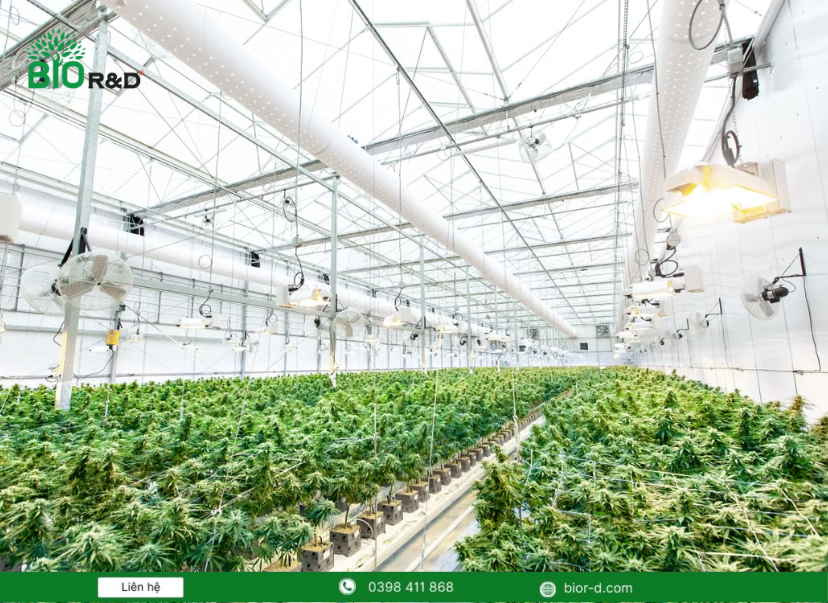
This is a factor that helps a high-tech farm not only produce well but also create a position in the market.
Conclusion:
It can be seen that a high-tech agricultural farm is not evaluated only based on the number of machines or the level of initial investment. A successful model needs to converge many factors such as modern production technology, scientific management processes, quality control capability, data application, economic efficiency, and sustainable development orientation. Building a farm in a high-tech direction not only helps improve productivity but also creates safe products, meeting the increasing demands of consumers. At the same time, this model also contributes to reducing impacts on the environment, saving resources, and promoting the development of modern agriculture. In the future, as technology continues to develop, farms applying science and technology will become an important trend helping the agricultural industry transform strongly. Models that know how to combine technology, people, and sustainability will have many development opportunities, creating long-term value for both producers and society.
Contact Information
BIO R&D COMPANY LIMITED
- Office: 83 Xo Viet Nghe Tinh, Ward 7, Da Lat City, Lam Dong Province
- Farm: Thanh Ha Hamlet, Phi To Commune, Lam Ha District, Lam Dong Province
- Hotline: 0398 411 868 - 0983 276 527
- Website: bior-d.com
- Email: biogap.org@gmail.com