VIE
 EN
Why should businesses invest in developing their own raw material zones?
In an increasingly competitive market, a stable source of raw materials is becoming one of the key factors determining a business's success, especially in sectors related to agriculture, food, processing, and exports. Relying entirely on external suppliers can cause significant difficulties when raw material prices fluctuate, quality is inconsistent, or the supply fails to meet production demands. Consequently, many businesses are currently choosing a more proactive path by investing in building and developing their own raw material zones. This is not only a solution to ensure supply control, but it also creates a foundation for businesses to enhance product quality, build their brand, and develop a long-term value chain. Unlike purchasing raw materials periodically from various sources, the model of developing raw material zones allows businesses to participate directly in the production process from the very beginning. From selecting crop varieties or livestock breeds, controlling cultivation processes, and applying care techniques to managing harvest standards, everything can be closely supervised according to the business's direction. Especially in a trend where consumers increasingly care about product origin, food safety, and sustainability, owning one's own raw material zone becomes a major competitive advantage. Businesses can not only provide higher quality products but also have the capability to be transparent about production processes, build customer trust, and expand into new markets. Therefore, investing in raw material zone development is no longer a strategy reserved solely for large corporations; it is becoming a necessary direction for many businesses that want to build a stable and long-term production foundation.
The important role of raw material zones in business development
Raw material zones are considered the important foundation in the production chain of many businesses, especially those heavily dependent on agricultural products such as food and beverage processing, pharmaceuticals, organic agriculture, or goods for export. When a business builds its own raw material zone, its ability to control input quality is significantly enhanced. Instead of just inspecting products after purchase, businesses can participate in management right from the planting or livestock rearing stage. This helps limit substandard materials, chemical residues, or inputs that fail to meet production requirements. Beyond quality, private raw material zones also help businesses be more proactive regarding volume.
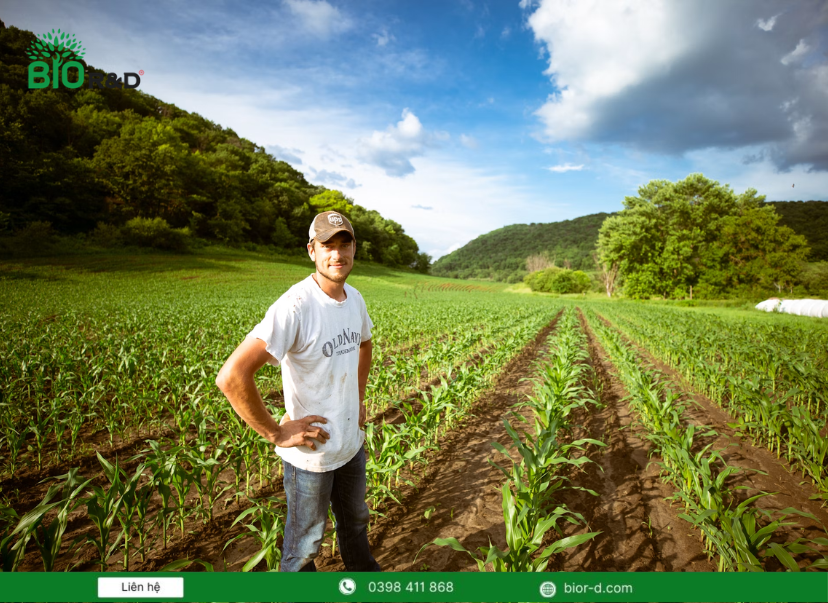
In many cases, market fluctuations can lead to external supply shortages, directly impacting business operations. When having a stable production zone, businesses can predict output, build accurate production plans, and maintain continuous operations. Additionally, raw material zones help businesses create differentiation in the market. Products with clear origins, transparent production processes, and controlled inputs are usually valued higher by consumers. This is also the foundation for businesses to build brands associated with quality and sustainability. In the long term, a well-managed raw material zone can become a strategic asset, creating a competitive advantage that rivals find difficult to replicate.
>>> You may be interested in: Criteria for Evaluating a High-Tech Agricultural Farm
Benefits of developing private raw material zones in business production
Investing in building raw material zones brings many practical benefits to businesses, from the ability to control production to enhancing brand value. This is a strategy that helps businesses reduce dependence on external markets and creates a more stable supply chain.
- Proactive supply sourcing: Helps businesses maintain continuous production, limiting shortages due to market fluctuations.
- Direct control of cultivation processes: Ensures raw material quality is uniform and complies with production standards.
- Reducing intermediate costs: Optimizes the budget and enhances competitiveness during procurement.
- Easy adoption of new technology: Increases productivity, improves quality, and reduces risks in cultivation.
- Creating a brand story: Helps businesses associate their brand story with the origin of the product.
- Increasing ability to meet export standards: Achievable thanks to controlled production processes and clear traceability.
Not only bringing economic benefits, developing raw material zones also creates sustainable links between businesses and local producers. Businesses can provide technical support, supply seeds/breeds, guide cultivation processes, and ensure stable output for farmers. This cooperative relationship helps form a closed-loop value chain, where each party receives long-term benefits.
Controlling product quality from the input stage
One of the important reasons businesses choose to develop their own raw material zones is the ability to control quality right from the start. For food production industries or products with high standard requirements, raw material quality directly determines the quality of the final product. When purchasing from various sources, businesses often struggle to control production methods, types of fertilizers used, care processes, or storage conditions.
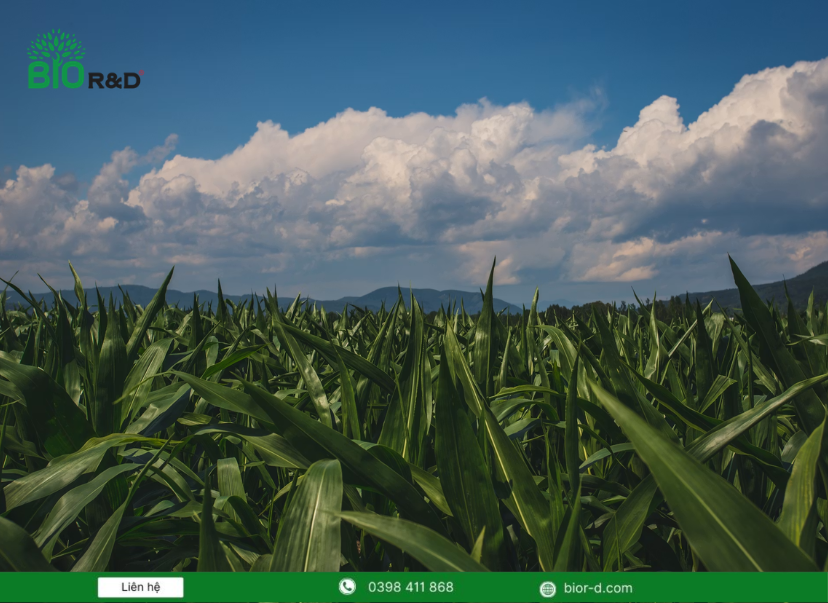
These factors can affect the safety and stability of the product. Conversely, when owning a raw material zone, businesses can build a unified production process. Standards for seeds/breeds, soil, water sources, cultivation techniques, and harvest times are all strictly managed. This is especially important in a context where the market increasingly demands traceability. Consumers no longer just care if the product is delicious; they also want to know how it was created, if it is safe, and if it is environmentally friendly.
>>> You may be interested in: Solutions for Reducing Livestock Farming Costs Using Modern Microbial Systems
Important factors when businesses invest in developing raw material zones
To build an effective raw material zone, businesses need a long-term plan instead of focusing only on short-term production goals. A successful raw material zone needs to be built based on many factors related to location, technique, human resources, and the consumer market.
- Select production areas suitable for the climate, soil, and growth characteristics of each type of raw material.
- Build scientific cultivation processes to ensure stable productivity and maintain product quality over the long term.
- Invest in modern production management systems to track progress, control quality, and optimize resources.
- Train local workers to improve production techniques and the ability to operate the model.
- Apply advanced agricultural technology to reduce costs, increase productivity, and limit environmental impact.
- Build clear consumption plans to ensure stable output for the entire raw material zone.
Another important factor is that businesses need to choose a model suitable for their financial capacity and development goals. Owning the entire production area is not always the optimal solution. Some businesses may choose to associate with farmers or cooperatives to build raw material zones in a more sustainable direction.
Application of technology in the development of modern raw material zones
The development of technology is creating many positive changes in the agricultural sector. Today, businesses not only invest in production area but also focus on applying technology to improve management efficiency in raw material zones. Smart sensor systems help monitor soil moisture, temperature, irrigation water volume, and crop growth status. Collected data helps businesses make more accurate decisions during the care process.
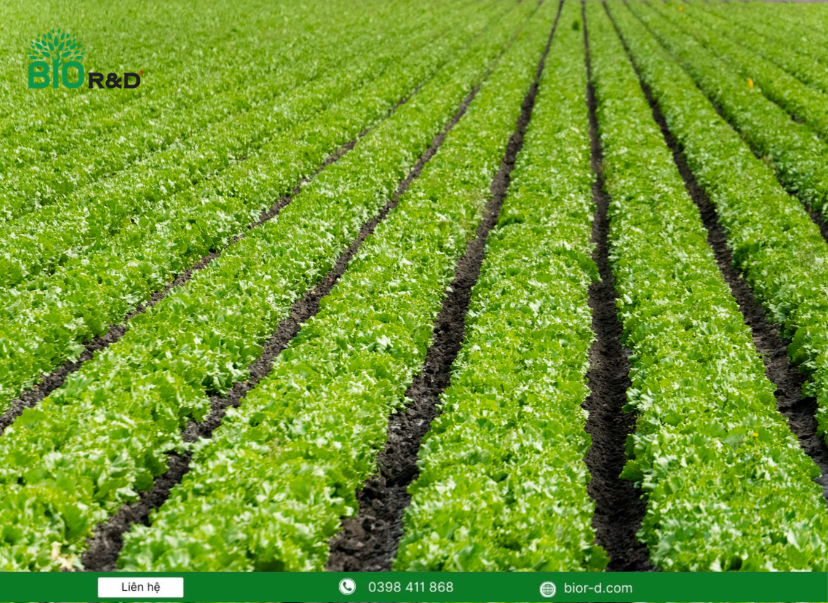
Additionally, traceability technology plays an important role in making products transparent. Through QR codes or data management systems, businesses can provide detailed information about the production process to consumers. Combining technology with modern production methods helps raw material zones operate more effectively, reducing resource waste and enhancing product value.
>>> You might be interested in: Application of biological products for soil improvement and fertility enhancement
Developing raw material zones helps businesses build sustainable value chains
In the modern economy, businesses compete not only with their final products but also with their ability to control the entire supply chain. A private raw material zone is an important step helping businesses build a closed-loop value chain from production to distribution.
- Proactive control of every stage helps businesses reduce dependence on intermediaries in the supply chain.
- Creating long-term links with producers helps form a stable cooperative ecosystem.
- Enhancing product innovation capabilities thanks to raw materials controlled according to specific orientations.
- Increasing brand value through commitments to quality and transparent product origin.
- Better meeting the requirements of high-end markets thanks to standardized production processes.
- Contributing to local economic development through job creation and supporting people in production.
Thanks to these benefits, developing raw material zones is not just a business strategy but also a direction contributing to promoting sustainable agriculture.
Challenges businesses should note when building private raw material zones
Although bringing many benefits, investing in raw material zone development also poses many challenges. Businesses need to prepare thoroughly in terms of capital, human resources, techniques, and management capacity to ensure long-term effectiveness. One of the biggest difficulties is initial investment costs. Building infrastructure, improving soil, investing in irrigation systems, or applying technology can require large capital sources.
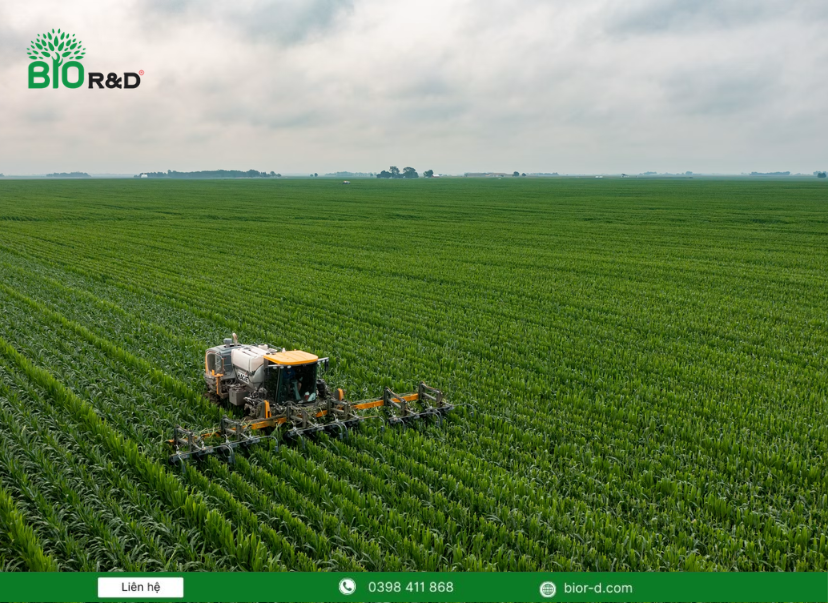
Besides that, businesses also need to face uncontrollable factors such as weather, disease, or market demand fluctuations. Therefore, building a risk management plan is essential. Additionally, developing raw material zones requires coordination between businesses, the public, and technical support units. A successful model needs to rely on long-term cooperation instead of focusing only on immediate benefits.
Conclusion:
In a context where the market increasingly demands high quality, origin, and product stability, investing in raw material zone development is becoming a critical strategy for many businesses. It not only helps proactively manage supply, reduce costs, and control quality, but a private raw material zone also creates the foundation for businesses to build strong brands, expand markets, and develop long-term value chains. However, to achieve real effectiveness, businesses need a long-term vision, combining technology investment, scientific management, and building sustainable relationships with producers. When implemented in the right direction, a raw material zone is not just a production area but also becomes a strategic asset helping businesses enhance competitiveness in the future. With the trend of modern agricultural development, businesses that know how to proactively build stable raw material sources will have more advantages in meeting market demand and creating sustainable values for the community.
Contact Information
BIO R&D COMPANY LIMITED
- Office: 83 Xo Viet Nghe Tinh, Ward 7, Da Lat City, Lam Dong Province
- Farm: Thanh Ha Hamlet, Phi To Commune, Lam Ha District, Lam Dong Province
- Hotline: 0398 411 868 - 0983 276 527
- Website: bior-d.com
- Email: biogap.org@gmail.com