VIE
 EN
Standards for Selecting Clean Vegetables for Supermarket Systems and Stores
In the context of increasing demand for safe food, selecting quality vegetable sources has become one of the important factors for supermarket systems, clean food stores, and agricultural distributors. Consumers today do not just care about the appearance of the product but also focus on the origin, cultivation process, safety level, and internal nutritional value. For retailers, finding standardized clean vegetables is not simply about importing goods from suppliers with large volumes. A vegetable product put on the shelf needs to go through a strict inspection process regarding quality, production process, hygiene standards, and traceability. This helps businesses limit food safety risks, while also building a reputable brand image in the eyes of customers. Unlike traditional vegetable business models, modern supermarket systems and stores often require suppliers to meet many specific standards such as safe cultivation processes, chemical residue control, use of standard irrigation water, and compliance with regulations on preliminary processing and packaging. These criteria aim to ensure that products reaching consumers always retain their freshness, safety, and high usage value. Building a system of standards for selecting vegetables not only protects consumer health but also helps business units maintain a stable source of goods, minimize the risk of product recalls, and enhance competitiveness in the market. Therefore, understanding the criteria for evaluating clean vegetables is essential for every business participating in the food supply chain today.
The role of selecting standardized clean vegetables for supermarkets and stores
For food distribution systems, the quality of input products directly determines the reputation and long-term development of the business. A supermarket or store may possess a modern space and professional service, but if it provides poor-quality vegetable products, it is very difficult to build trust with customers. Selecting standardized clean vegetables helps business units better control the source of goods before launching them to the market. Products controlled from the production stage will limit the risk of containing residues of pesticides, growth stimulants, or agents affecting health.
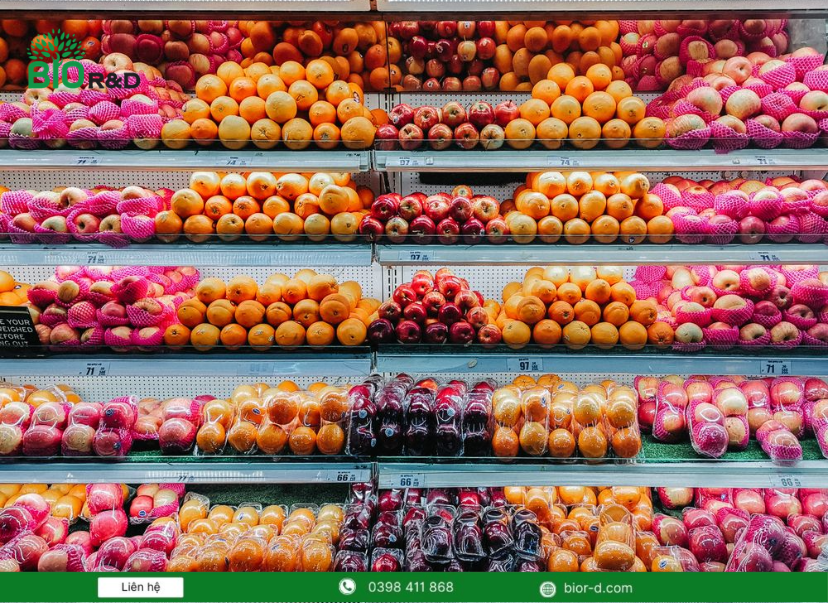
Besides safety, standardized vegetables also have the advantage of uniform quality. When produced according to controlled processes, products usually have stable size, beautiful color, longer shelf life, and less damage during transportation or display. In addition, collaborating with standard vegetable suppliers also helps supermarkets and stores easily build their own brands. Consumers are increasingly prioritizing sales locations that are transparent about product origin, have clear certifications, and commit to quality. In the long term, investing in clean vegetable sources is not just a food safety requirement but a business strategy that helps businesses create differentiation in the market.
>>> You may be interested in: Benefits of Sustainable Agricultural Production and Consumption Linkage Models
Important criteria for evaluating standardized clean vegetables
To select a suitable vegetable source for the distribution system, supermarkets and stores need to base their decisions on many specific criteria. Evaluation is not only based on appearance but also requires reviewing the entire production, storage, and transportation process.
- Product origin must be clearly identified, with information on the growing region and the unit responsible for production.
- Cultivation process needs to comply with safety standards to minimize the use of harmful chemicals.
- Soil quality must be regularly controlled to ensure it contains no contaminants.
- Irrigation water used in the production process needs to meet hygiene requirements and contain no toxic substances.
- Post-harvest products need to be processed and stored using proper techniques to maintain natural freshness.
- Suppliers need to have stable supply capacity to ensure business operations run continuously.
The above criteria help distribution units select quality goods, while minimizing risks related to food safety issues.
Standards on origin and vegetable production processes
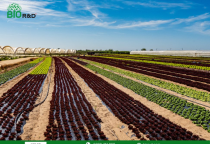
One of the most important factors when choosing vegetables for a supermarket or store is product origin. Consumers today tend to care more about where the product was grown, who produced it, and how the process was carried out. Quality vegetable sources usually come from production regions with clear planning, controlled land conditions, water sources, and farming methods.
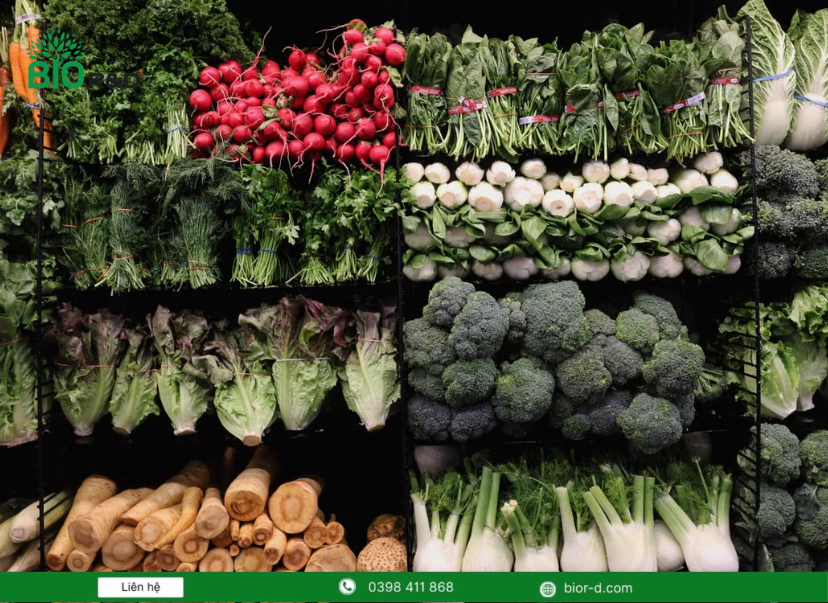
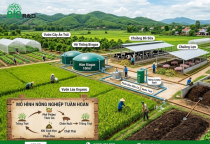
Producers need to have records of the planting, care, and harvesting processes to ensure traceability when necessary. In addition, the production process also needs to limit the use of unnecessary chemicals. Models of organic farming, VietGAP, or high-tech applications are often highly appreciated for their ability to control product quality well. For supermarket systems, cooperating with suppliers with transparent production processes will help reduce the risk of issues occurring during business operations. This is also an important factor in building long-term trust with customers.
>>> You may be interested in: Why should businesses invest in developing their own raw material zones?
Important certifications for clean vegetables in the distribution system
Currently, retail systems often prioritize choosing products with clear quality certifications. This is proof that the product has been controlled according to certain standards during the production process.
- VietGAP certification helps ensure the planting process meets requirements for food safety and environmental protection.
- Organic certification shows that products are produced with limited synthetic chemicals and protect natural ecosystems.
- GlobalGAP certification supports businesses in accessing markets with high requirements for agricultural product quality.
- Food safety test reports help confirm that products do not contain substances exceeding permitted levels.
- Traceability systems help consumers check product information transparently.
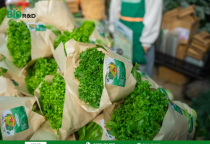
- Packaging and storage standards help maintain vegetable quality throughout the distribution process.
Selecting products with certifications not only helps supermarkets control quality but also creates a competitive advantage in building a brand.
Inspection and storage process for vegetables before putting them on shelves
After selecting suppliers, supermarket systems and stores need to build a strict inspection process before importing goods. This is an important step to ensure products meet requirements before reaching consumers. The inspection process often includes evaluating appearance, checking origin information, confirming production standards, and checking transportation conditions.
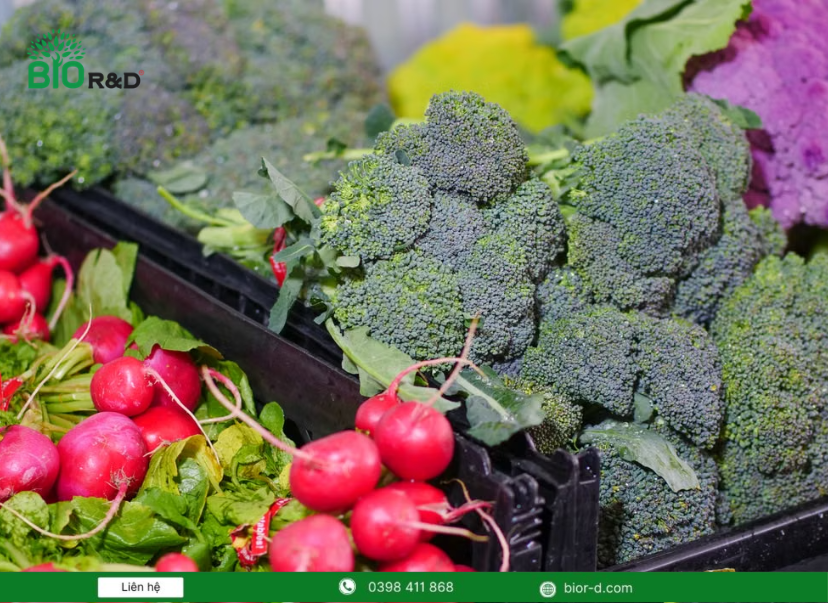
Products that do not meet requirements need to be removed or processed before entering the distribution system. Besides input inspection, storage also greatly affects vegetable quality. Temperature, humidity, and storage time need to be controlled appropriately for each product type. Modern storage technologies such as cold storage, specialized packaging, or automatic temperature monitoring systems are being applied by many businesses to extend usage time and reduce loss rates.
>>> You may be interested in: Criteria for Evaluating a High-Tech Agricultural Farm
Application of technology in managing standardized clean vegetable sources
Technology is becoming an important tool helping businesses manage vegetable quality more effectively. From production to distribution, many modern solutions have been applied to increase transparency and reduce risks.
- QR code traceability systems help customers check product information quickly and accurately.
- Inventory management software helps track quantity, import time, and expiration dates for each type of vegetable.
- Temperature sensor technology supports controlling storage conditions during transportation.
- Production data stored helps businesses evaluate supplier quality at each stage.
- Supply chain management systems help optimize the distribution process from farm to store.
- Data analysis technology supports forecasting consumption demand and limiting product surplus.
Thanks to technology application, retail systems can improve their quality control ability and bring a safer shopping experience to customers.
Notes when selecting clean vegetable suppliers for stores and supermarkets
Selecting suppliers plays an important role in maintaining product quality in the long term. A reputable partner not only ensures a stable source of goods but also supports businesses in building an effective supply chain. Business units need to evaluate the actual production capacity of the supplier, quality control processes, delivery capacity, and the transparency of product information.
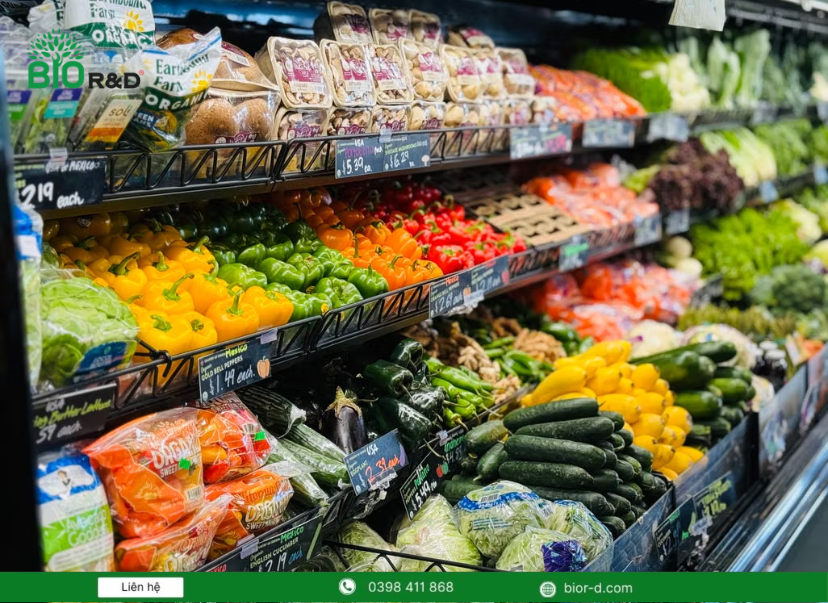
In addition, maintaining a long-term cooperative relationship with suppliers also helps businesses easily control the source of goods, unify product standards, and develop the brand together. A stable supply source is the foundation helping supermarket systems and stores maintain service quality, meeting the increasingly high demands of consumers.
Conclusion:
In an increasingly competitive food market, selecting standardized clean vegetables is not just a requirement for safety but is also a factor deciding the sustainable development of supermarket systems and stores. A quality vegetable product needs to be controlled from origin, production process, safety certifications to storage and distribution processes. When businesses build a scientific material selection system, consumers will have more trust and peace of mind when using products. Besides that, cooperating with reputable suppliers, applying management technology, and maintaining stable quality standards will help businesses enhance their competitive advantage in the food industry. In the future, green consumption trends and demand for safe food will continue to develop strongly. Therefore, investing in standardized clean vegetable sources is a necessary step to build a transparent, effective supply chain aimed at sustainable development.
Contact Information
BIO R&D COMPANY LIMITED
- Office: 83 Xo Viet Nghe Tinh, Ward 7, Da Lat City, Lam Dong Province
- Farm: Thanh Ha Hamlet, Phi To Commune, Lam Ha District, Lam Dong Province
- Hotline: 0398 411 868 - 0983 276 527
- Website: bior-d.com
- Email: biogap.org@gmail.com