VIE
 EN
Trend of Consuming Food with Transparent Traceability
In recent years, the issue of food safety has received increasing attention from consumers. Not only selecting products based on price, appearance, or convenience, modern customers tend to research the origin, production process, and transparency level of each food item more thoroughly before deciding to purchase. This shift in consumption behavior stems from many causes, such as the situation of food with unclear origins, the use of chemicals in agricultural production, issues related to food hygiene and safety, and the increasing demand for health protection. Consumers want to know where the product they use is produced, who is responsible, how the cultivation process is carried out, and whether it meets safety standards. Therefore, the trend of using traceable food is becoming one of the important standards in the modern agricultural, food, and retail industries. This is not only a tool to help clarify product information but also a solution to help businesses build trust, enhance brand value, and create a competitive advantage in the market. Unlike traditional business methods where buyers have almost no information about the product, a traceability system allows the entire process from production, processing, transportation to distribution to be recorded and controlled. Consumers can easily check information via QR codes, electronic stamps, or modern data management platforms. This trend is not only appearing in developed markets but is becoming increasingly popular in Vietnam. As awareness of health and food quality grows, origin transparency is becoming a crucial factor in helping businesses meet the new demands of customers.
Changes in current food consumption behavior
Previously, the majority of consumers often chose food based on familiar factors such as price, appearance, or convenience when shopping. However, along with social development and easier access to information, customers are increasingly tending to care more about the true quality of the product. A bunch of vegetables, a type of fruit, or a processed product is no longer evaluated only by color or appearance but also based on questions: where does this product come from, how was it produced, and is it safe? Especially after many issues related to low-quality food, consumers have begun to prioritize products with clear information. They are willing to pay higher prices for products with certifications, information on growing regions, transparent production processes, and strict quality control.
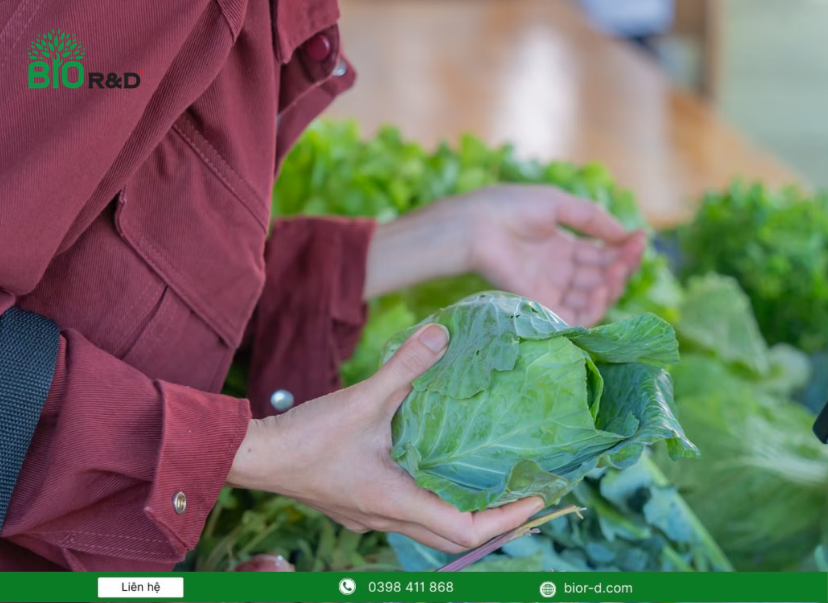
This creates a major shift in how businesses approach the market. If in the past businesses only focused on output and selling price, now they need to focus more on transparency, quality, and the ability to build trust with customers. Supermarket systems, clean food stores, and e-commerce platforms are also changing how they choose suppliers. Products with full traceability information are often prioritized because they better meet the quality control needs of buyers. It can be seen that the development of the transparent consumption trend is pushing the entire food industry to transform towards being more professional, in which traceability becomes an indispensable factor.
>>> You may be interested in: Standards for Selecting Clean Vegetables for Supermarket Systems and Stores
Benefits of traceable food for consumers
Using traceable food brings many practical benefits to consumers, especially in controlling quality and ensuring health safety. When product information is transparent, customers have more basis to make more accurate purchasing decisions.
- Consumers can check the clear origin of the product before choosing to use it daily.
- Information about the production process helps customers clearly understand how the food is created.
- Traceability capability helps reduce the risk of buying fake, low-quality, or unsafe products.
- Buyers can easily identify products that meet standards through certifications and transparent data.
- Origin control helps increase peace of mind when using food for the family.
- Detailed product information helps customers build smarter consumption habits.
Not stopping at health protection, traceability also helps consumers become a part of the process of promoting transparent production. When customers prioritize products with clear origins, businesses and producers will have the motivation to improve processes to meet market requirements.
Role of traceability in enhancing product value
For food production and trading businesses, traceability is not only a technical requirement but also an important tool to help increase brand value. In a market with increasing competition, products with clear origins often create a difference compared to regular products. When a business proves its transparent production process, customers tend to trust and choose the product more. Especially for agricultural products, traceability helps solve one of the biggest problems: building trust in quality.
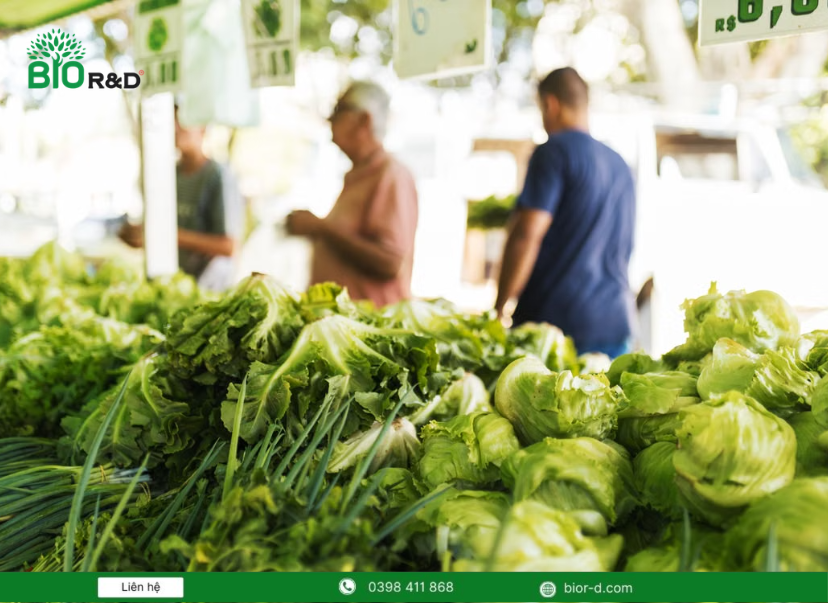
Consumers can know which growing region the product comes from, how it was cared for, and what control stages it underwent before reaching them. Besides the domestic market, traceability is also an important factor helping businesses access export markets. Many countries today have strict requirements regarding food safety standards, production processes, and supply chain control capabilities. Therefore, investing in a traceability system not only helps businesses meet current requirements but also creates a foundation for long-term development in the future.
>>> You may be interested in: Benefits of Sustainable Agricultural Production and Consumption Linkage Models
Technologies supporting the development of traceable food
The development of technology is creating favorable conditions for the implementation of traceability systems in the food industry. Modern solutions help businesses manage product information more accurately and provide transparent data to consumers.
- Smart QR codes help customers quickly check product information using their personal phones.
- Blockchain technology supports transparent data storage and limits the risk of information tampering.
- Supply chain management software systems help businesses track products throughout the operation process.
- Smart sensors support monitoring storage conditions during food transportation.
- Electronic data platforms help connect information between producers, businesses, and consumers.
- Identification technology helps control genuine products and limits the situation of counterfeiting.
Thanks to these technologies, the traceability process becomes simpler, more accurate, and suitable for the development needs of the modern market.
Important standards when building a food traceability system
For a traceability system to operate effectively, businesses need to ensure many standards during the production and management process. Simply attaching a traceability code to a product but lacking actual data will not create real value. An effective system needs to start with managing input materials. Information about plant varieties, water sources, production land, care methods, or raw material sources needs to be fully recorded.
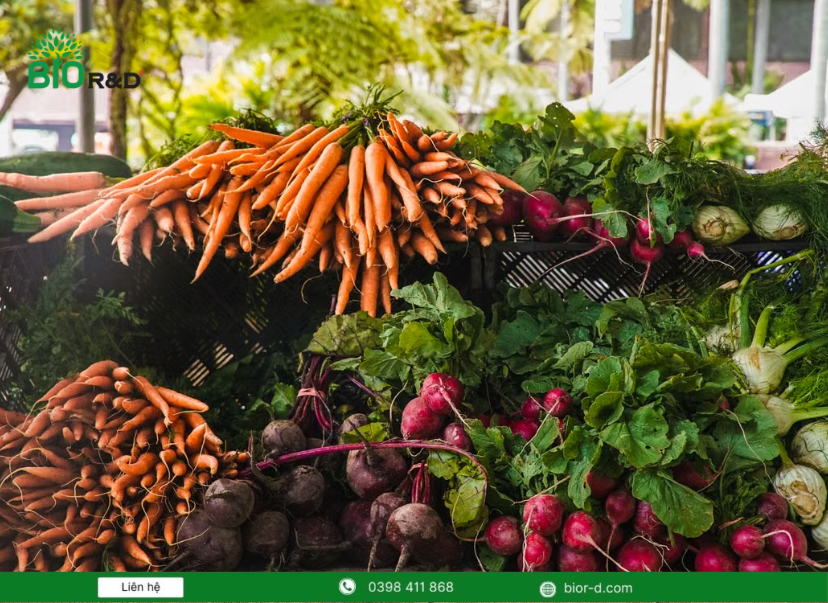
During the production process, activities such as the use of fertilizers, plant protection products, harvest timing, and preliminary processing methods also need to be updated. In addition, businesses need to build a regular data inspection process to ensure the information provided to customers is accurate and reliable. A good traceability system not only helps control quality but also supports businesses in handling issues related to products quickly.
>>> You may be interested in: Why should businesses invest in developing their own raw material zones?
Development trends of the traceable food market in the future
In the future, the demand for using traceable food is forecasted to continue to grow strongly as consumers increasingly care about health and quality of life. Food businesses will not only compete on price but also compete on the ability to be transparent with information. Brands with good quality management systems will create a greater advantage in retaining customers.
- Consumers increasingly prioritize products with transparent information that are easy to check.
- Modern retail systems will increase requirements for traceability standards for suppliers.
- Digital technology will continue to be applied strongly to improve supply chain management capabilities.
- Agricultural production regions will shift towards professionalism and better data control.
- Businesses will invest more in building brands associated with transparency.
- Traceability will become a common standard instead of just a competitive advantage.
This development will contribute to creating a safe, transparent food market aimed at the long-term benefits of both businesses and consumers.
Challenges when implementing food traceability
Although bringing many benefits, the process of implementing traceability still faces certain difficulties. For many small production facilities, investing in data management systems and technology can be limited due to high initial costs. Besides that, building the habit of recording and managing information during the production process is also a challenge. Many traditional production households are not used to updating full data, leading to difficulties when implementing traceability systems.
Furthermore, the lack of synchronization between parties in the supply chain can also affect the efficiency of the management process. To achieve good results, coordination between producers, businesses, distributors, and management agencies is needed. However, with the development of technology and increasing demand from the market, these difficulties are gradually being solved through appropriate solutions and more reasonable costs.
Conclusion:
The development of traceable food is reflecting a strong change in current consumption needs. Buyers no longer just care about beautiful products or suitable prices but want to know the journey of food formation before using it. For businesses, traceability is a solution to help improve management quality, build trust with customers, and create a sustainable competitive advantage. For consumers, this is an important tool helping to choose safer and more appropriate products. In the future, as technology continues to develop and food safety standards are increasingly raised, traceability will become an indispensable part of the food supply chain. Businesses that proactively invest in transparency will have many opportunities to develop strongly and build a solid position in the market.
Contact Information
BIO R&D COMPANY LIMITED
- Office: 83 Xo Viet Nghe Tinh, Ward 7, Da Lat City, Lam Dong Province
- Farm: Thanh Ha Hamlet, Phi To Commune, Lam Ha District, Lam Dong Province
- Hotline: 0398 411 868 - 0983 276 527
- Website: bior-d.com
- Email: biogap.org@gmail.com