
 VIE
 EN
The Role of Beneficial Microbial Systems in Modern Agricultural Production
In the development of modern agriculture, increasing production yield no longer depends solely on the use of chemical fertilizers, pesticides, or expanding cultivation areas. Today's new trend in agriculture is moving towards a balance between productivity, product quality, and environmental protection. Consequently, biological solutions are receiving increasing attention, among which beneficial microbial systems play a crucial role in improving cultivated soil, supporting healthy plant growth, and building sustainable production models. In nature, agricultural soil is not simply a medium for plants to grow; it is a complex ecosystem with billions of tiny organisms constantly active. These groups of microorganisms participate in the decomposition of organic matter, nutrient transformation, soil structure improvement, and support for the mineral absorption capacity of crops. However, long-term cultivation with large amounts of chemical fertilizers and pesticides can disrupt the soil ecosystem balance, reduce the number of beneficial microbes, and cause soil quality to gradually decline. When soil loses its biodiversity, crops become susceptible to pests, nutrient absorption decreases, and yields are no longer stable. Therefore, applying beneficial microbes in agricultural production is becoming a critical solution to help restore the natural ecosystem, reduce dependence on chemicals, and improve cultivation efficiency. This is not only a direction suitable for the green agriculture trend but also the foundation for developing safe, economical, and long-term production models.
Concepts and Characteristics of Beneficial Microbes in Agriculture
Beneficial microbes are groups of microorganisms that exist in nature or are researched and selected to be applied in production processes to bring positive impacts to the soil, crops, and environment. They include various groups such as nitrogen-fixing bacteria, phosphate-solubilizing bacteria, antagonistic fungi, organic-decomposing microorganisms, and plant growth-promoting microbial groups. Unlike pathogenic microorganisms that can harm crops, beneficial microbial groups operate to support the agricultural ecosystem. They participate in converting hard-to-absorb nutrients into forms that are easier for plants to use.
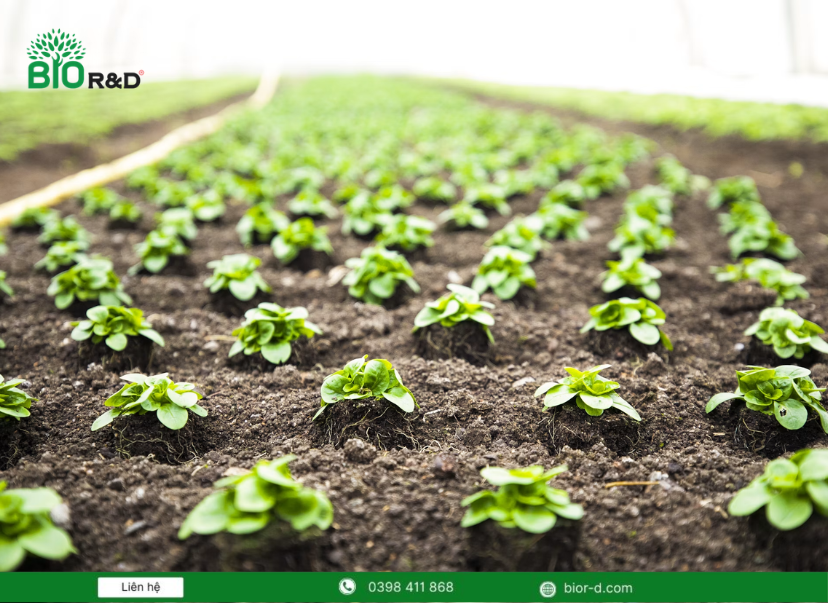
For example, some bacteria in the soil can fix nitrogen from the air, helping to supplement natural nutrients for crops. Other groups can break down complex organic compounds into simple nutrients, making the soil more fertile. Additionally, many types of microbes can compete with harmful microorganisms, creating favorable environments for plants to grow healthily. Thanks to these characteristics, they have become important tools in organic farming, high-tech agriculture, and sustainable production models. Applying these microbial groups not only brings immediate benefits but also helps maintain long-term soil health, creating a stable foundation for agricultural production activities.
>>> You may be interested in: Trend of Consuming Food with Transparent Traceability
Benefits of Beneficial Microbes for Soil and Crops
Supplementing beneficial microbes into production systems brings many important benefits, from improving soil quality to enhancing crop growth capacity. This is one of the highly-regarded biological solutions in the process of transitioning to modern agriculture.
- Improving soil structure through the decomposition of organic matter and increasing natural humus in cultivated soil.
- Increasing nutrient absorption capacity of plants by converting insoluble minerals into more usable forms.
- Supporting plants to develop healthy root systems, increasing resistance to adverse environmental conditions.
- Limiting the development of pathogenic microorganisms through natural biological competition mechanisms.
- Reducing the amount of chemical fertilizers needed due to the ability to provide natural nutrients to crops.
- Contributing to maintaining ecological balance in the soil, helping the cultivation system remain more stable over the long term.
These benefits show that beneficial microbes are not just a production support product but also an important factor in regenerating soil health. When the soil has a rich microbial ecosystem, crops will have better conditions to grow, thereby increasing yield and agricultural product quality.
The Role of Beneficial Microbes in Improving Agricultural Soil
Soil is the important foundation determining the efficiency of all agricultural production activities. However, after many years of continuous cultivation, many areas show signs of degradation due to nutrient imbalance, reduced organic content, and declined biological activity. In this process, beneficial microbes act as natural "biological factories" helping to restore and maintain soil quality. They participate in decomposing plant residues, agricultural by-products, and residual organic matter, thereby creating a natural nutrient source for plants.
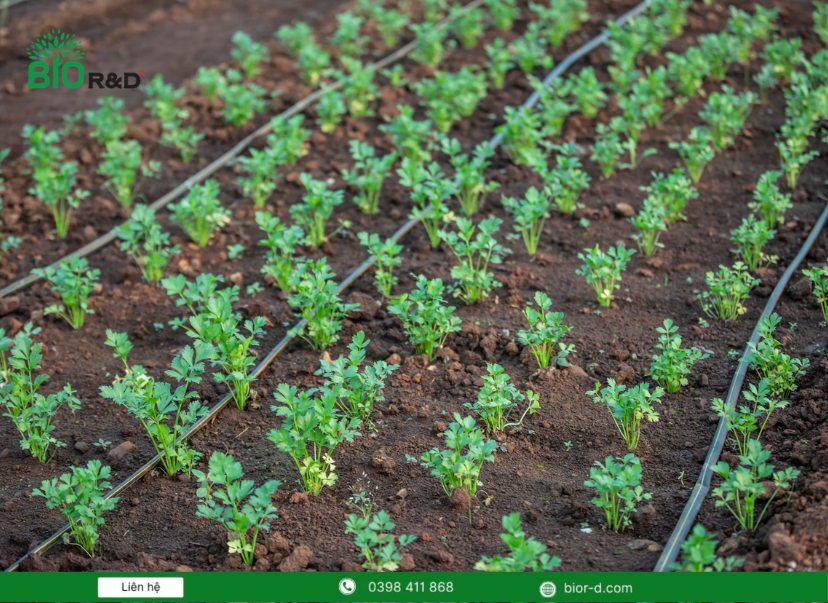
Furthermore, these microbial groups also help improve the looseness of the soil by creating binding compounds between soil particles. As a result, the soil has a better ability to retain water and nutrients, creating favorable conditions for the root system to develop. For lands that have become hardened due to long-term chemical use, supplementing with beneficial microbes can support the restoration of the soil ecosystem. This is a safer solution than relying solely on chemical treatment measures. Therefore, in modern agricultural models, soil improvement using biological methods is becoming a trend chosen by many businesses and farms to maintain long-term production efficiency.
>>> You may be interested in: Standards for Selecting Clean Vegetables for Supermarket Systems and Stores
Application of Beneficial Microbes in Agricultural Production Models
Currently, products containing beneficial microbes are being widely applied in various fields of agricultural production. From cultivation and livestock to environmental treatment, biological solutions all bring positive results.
- Using microbial preparations in vegetable farming helps increase soil nutrition and limit chemical residues in products.
- Applying microbes in fruit trees helps improve root systems and enhance mineral absorption.
- Supplementing microbes in rice fields helps increase fertility and reduce negative impacts from chemical fertilizers.
- Using microbes in livestock farming helps process waste, reduce odors, and improve barn environments.
- Applying microbes in aquaculture helps stabilize water environments and limit disease outbreaks.
- Combining microbes with modern agricultural technology helps optimize production processes and increase economic efficiency.
Thanks to their high adaptability, microbial solutions are increasingly integrated into large-scale production models, especially high-tech farms and circular agricultural systems.
The Role of Beneficial Microbes in Reducing Agricultural Chemical Usage
One of the important goals of modern agriculture is to reduce dependence on synthetic chemicals. Using too much chemical fertilizer and pesticide over a long period can cause many problems such as soil pollution, reduced biodiversity, and affects agricultural product quality. Beneficial microbes help solve this problem by supporting crops to absorb natural nutrients more effectively. When the soil ecosystem is improved, the need to use large amounts of chemical fertilizers will decrease.
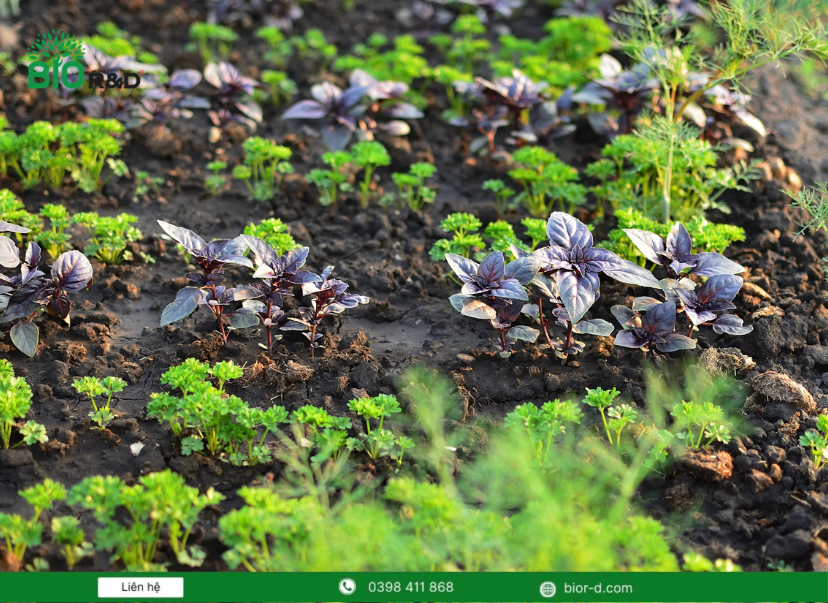
Besides that, some microbial groups can also produce natural compounds that help inhibit the growth of pathogenic fungi and harmful bacteria. This helps reduce the amount of pesticides used during plant care. Replacing a portion of chemicals with biological solutions not only helps reduce production costs but also creates safer agricultural products, suitable for current consumption needs.
>>> You may be interested in: Benefits of Sustainable Agricultural Production and Consumption Linkage Models
Applying Biotechnology to Develop Beneficial Microbial Systems
The development of biotechnology has opened up many new opportunities in the research and application of beneficial microbial groups. Scientists can now isolate, select, and cultivate microbial strains with characteristics suitable for each type of crop and different production conditions.
- Biological analysis technology helps accurately identify microbial groups capable of supporting crops effectively.
- Modern biomass cultivation processes help create stable and easy-to-use microbial preparations.
- Advanced preservation technology helps maintain the activity of microbes for a long time.
- Data management systems support selecting microbial strains suitable for each production region.
- Research on combining multiple microbial groups helps create products with more comprehensive effectiveness.
- Automation technology helps apply microbes conveniently in large-scale farms.
Thanks to these advancements, beneficial microbes are becoming an important part of the strategy for developing smart and sustainable agriculture.
Important Factors to Note When Using Beneficial Microbes in Production
Although they bring many benefits, the use of microbes in agriculture needs to be carried out correctly to achieve the highest effectiveness. Not every type of microbial preparation is suitable for all production conditions. Users need to choose products with clear origins, containing microbial strains suitable for the crop type and intended use. Besides that, the preservation and usage process also needs to comply with technical instructions to ensure microbial activity.
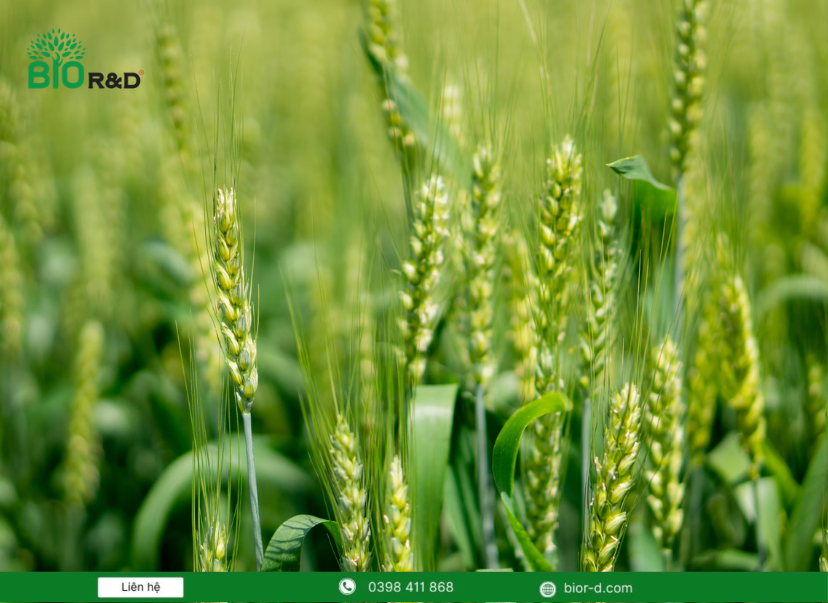
Furthermore, the effectiveness of microbes also depends on soil conditions, the environment, and cultivation methods. Therefore, it is necessary to combine the use of microbes with overall care measures such as supplementing organic matter, water management, and maintaining ecological balance. When applied correctly, beneficial microbes will maximize their role in increasing production efficiency and moving towards green agriculture.
Conclusion:
In the trend of modern agricultural development, applying beneficial microbes is becoming an important solution helping to increase yields, improve soil quality, and reduce negative impacts on the environment. Not only supporting crops to absorb nutrients better, these microbial groups also contribute to restoring the soil ecosystem, limiting the use of chemicals, and creating safer agricultural products. When combined with biotechnology, scientific production management, and sustainable farming methods, beneficial microbes will become one of the important factors driving the development of the agricultural industry in the future. This is not only a solution to improve production efficiency but also a suitable direction to build an environmentally friendly agriculture, meeting the increasing demands of the market and protecting resources for future generations.
Contact Information
BIO R&D COMPANY LIMITED

- Office: 83 Xo Viet Nghe Tinh, Ward 7, Da Lat City, Lam Dong Province
- Farm: Thanh Ha Hamlet, Phi To Commune, Lam Ha District, Lam Dong Province
- Hotline: 0398 411 868 - 0983 276 527
- Website: bior-d.com
- Email: biogap.org@gmail.com


