VIE
 EN
Factors Determining Post-Harvest Vegetable and Fruit Quality
In the agricultural production value chain, the post-harvest stage plays a crucial role in determining the final quality of vegetables and fruits before they reach consumers. A product grown using modern processes and proper techniques can still rapidly decline in quality if it is not handled, processed, and preserved correctly after harvest, leading to loss of commercial value and significant waste. Currently, the demand for fresh, safe, and high-quality vegetables and fruits is increasing. Consumers not only care about external appearance but also focus on freshness, nutritional value, safety levels, and the shelf life of the product. Therefore, controlling factors that affect the quality of agricultural products after harvest has become an important task for farmers, cooperatives, processing enterprises, and distribution systems. In actual production, vegetables and fruits continue to undergo biological processes such as respiration, dehydration, changes in cellular structure, and alteration of nutritional composition after leaving their natural environment. Without appropriate processing methods, products easily wilt, lose color, lose crunchiness, develop spoilage-causing microorganisms, and lose economic value. Therefore, applying effective post-harvest vegetable preservation methods is a decisive factor in extending shelf life, maintaining product quality, and reducing loss rates during transportation and storage. This is also one of the important solutions to help the agricultural industry improve competitiveness and meet the increasingly high requirements of domestic and international markets.
The importance of post-harvest vegetable preservation
After being harvested, vegetables and fruits enter a stage where they are easily affected by environmental factors. Unlike many common goods, fresh agricultural produce has high water content, soft cellular structures, and continuous metabolic processes. This makes products prone to quality decline if not handled with proper techniques. Post-harvest preservation is not just keeping vegetables from spoiling; it includes many activities such as sorting, cleaning, cooling, packaging, and controlling temperature, humidity, and proper transportation. Each stage has a direct impact on the final product quality.
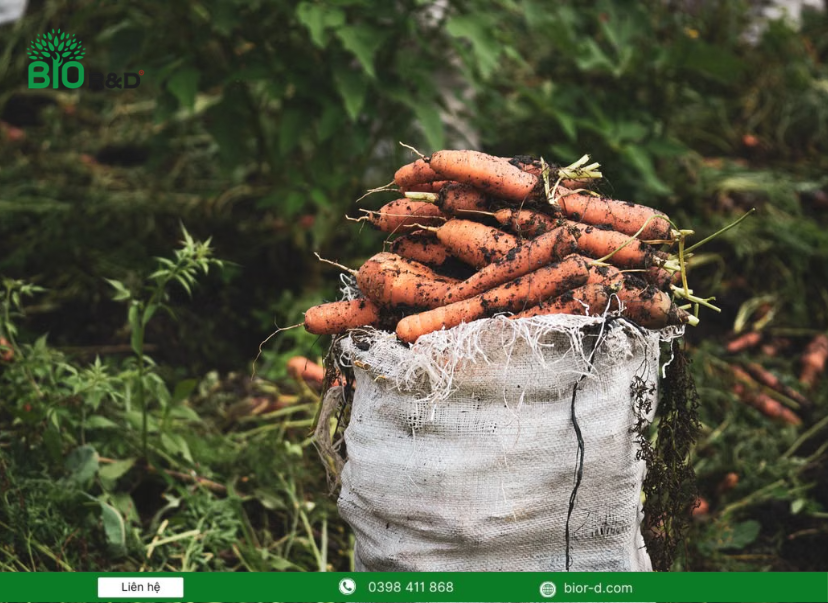
For agricultural businesses, an effective preservation system helps reduce loss rates, save operating costs, and maintain a stable supply source. A large amount of produce can lose its value in just a few days if not preserved correctly, affecting the profitability of the entire supply chain. Besides the economic factor, good preservation contributes to ensuring food safety. When vegetables are maintained under suitable conditions, the growth of harmful microorganisms is limited, helping the product retain its natural quality and be safer to use. Investing in a post-harvest vegetable preservation process is not only a technical solution but also an important factor in enhancing agricultural value and developing sustainable agriculture.
>>> You may be interested in: Circular Agriculture Models Help Optimize Production Costs
Main factors affecting the quality of post-harvest vegetables and fruits
The quality of post-harvest vegetables and fruits is influenced by various factors, from harvest time and environmental conditions to processing and transportation methods. Understanding these factors helps producers build more appropriate preservation processes.
- Harvest time determines the ripeness, nutritional content, and long-term storage capability of each type of vegetable and fruit.
- Temperature conditions during storage directly affect the respiration rate and quality decline of the product.
- Storage humidity needs to be controlled appropriately to limit dehydration or the development of mold.
- Post-harvest processing methods determine the cleanliness and ability of the agricultural product to retain quality.
- Packaging methods affect ventilation, shock resistance, and the ability to maintain freshness.
- Transportation conditions have a major impact on the loss rate and level of mechanical damage to the product.
Each of these factors is closely related. If one focuses only on controlling one stage but ignores the others, the quality of vegetables and fruits can still be significantly affected.
The effect of harvest time on vegetable and fruit quality
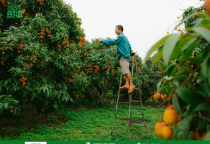
Harvest time is one of the first important factors determining the storage capability of vegetables and fruits. If harvested too early, the product may not have reached the necessary ripeness, color, and nutritional value. Conversely, if harvested too late, vegetables can quickly age, lose flavor, and be difficult to preserve long-term. Each crop type has a different appropriate harvest window. Leafy vegetables often need to be harvested while young and fresh to ensure crispness and nutritional content.
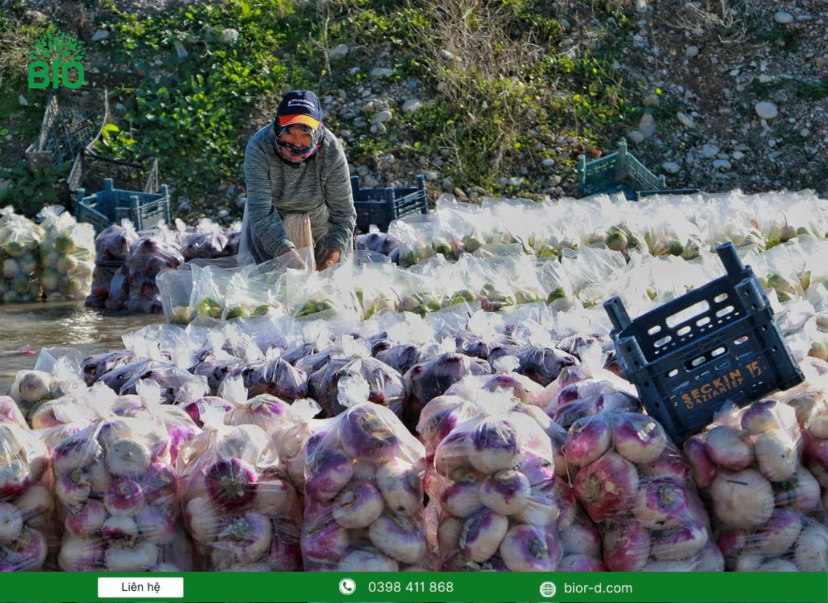
Meanwhile, some types of tubers and fruits need to reach a certain level of maturity to withstand transportation and storage processes. In addition to growth stage, weather conditions at the time of harvest also greatly affect product quality. Harvesting in extremely hot weather or when vegetables are damp from rain can increase the risk of spoilage during preservation. Therefore, producers need a scientific harvest plan, combining farming experience with modern quality inspection methods to ensure the product is in its best state before entering the distribution system.
Common post-harvest vegetable preservation methods today
Currently, many post-harvest vegetable preservation methods are applied to maintain product quality for longer periods. Depending on the vegetable type, production scale, and market requirements, businesses can choose the appropriate method.
- Cold storage helps slow down the respiration process and limits the growth of spoilage-causing microorganisms.
- Using temperature-controlled cold storage helps maintain a stable environment for various agricultural products.
- Packaging with specialized materials helps reduce dehydration and limit damage during transportation.
- Controlled atmosphere technology helps regulate the amount of oxygen and carbon dioxide in the storage environment.
- Biological treatment methods help extend shelf life while ensuring safety.
- Applying modern preliminary processing processes helps remove impurities and reduce the risk of bacterial contamination.
Choosing the appropriate preservation method must be based on the biological characteristics of each product type. There is no single method that can be applied to all vegetables and fruits, as each group of agricultural products has its own requirements for temperature, humidity, and storage time.
The role of technology in modern vegetable and fruit preservation
The development of science and technology has created many new solutions to help improve agricultural preservation efficiency. If previously, storing vegetables relied mainly on traditional experience, today businesses can use many modern technologies to control the entire process. Smart cold storage systems allow for automatic adjustment of temperature and humidity according to each product type. This helps reduce the risk of quality change due to unstable environmental conditions. Besides this, sensor technology is also being applied to continuously monitor preservation status.
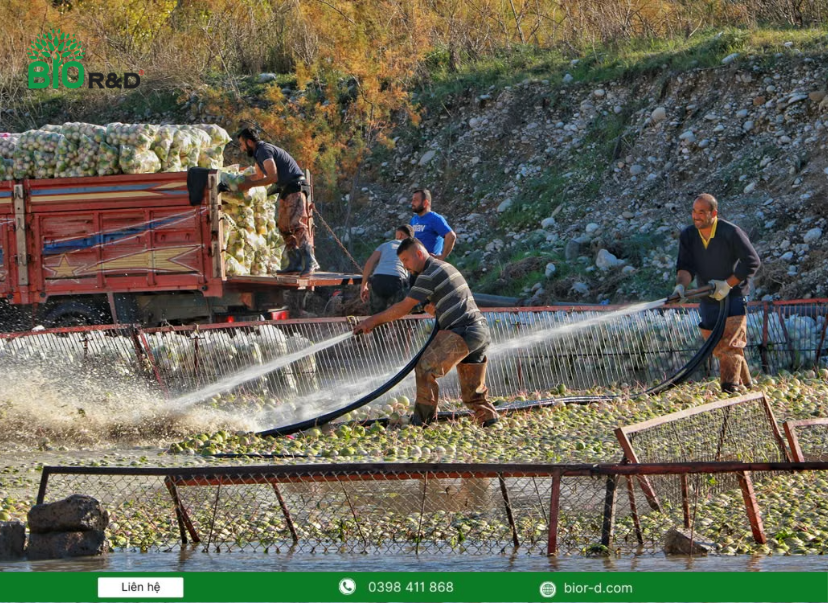
Businesses can check temperature, humidity, and environmental factors even during transportation. In addition, advanced packaging technologies such as modified atmosphere packaging or biological preservation materials are also contributing to extending the shelf life of vegetables and fruits without affecting natural quality. Thanks to technology application, the preservation process becomes more accurate, reduces dependence on human factors, and improves efficiency across the entire agricultural supply chain.
High-efficiency post-harvest vegetable preservation process
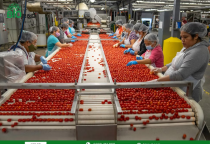
An effective post-harvest vegetable preservation process needs to be implemented synchronously from the time of harvest until the product is delivered to the consumer. Each step needs to be controlled to minimize quality decline. After harvest, vegetables need to be quickly transported to the preliminary processing area to reduce exposure time to the outside environment. Here, the product will be sorted to remove damaged or substandard parts. Next is the cleaning process, surface treatment, and product cooling. Rapid temperature reduction helps limit respiration and maintain freshness. Afterward, vegetables are packaged according to standards suitable for each product type. Packaging must ensure protection while maintaining necessary ventilation. Finally, the product is stored under suitable temperature and humidity conditions before being transported to distribution channels such as supermarkets, food stores, or restaurants.
Solutions to improve vegetable and fruit preservation efficiency
To improve the quality of post-harvest agricultural products, businesses and producers need to combine various solutions instead of focusing on a single method.
- Invest in modern preservation warehouse systems to control temperature and humidity well throughout the storage process.
- Build scientific harvest, preliminary processing, and transportation processes according to specific product groups.
- Train personnel with knowledge of preservation techniques and post-harvest produce handling.
- Apply traceability technology to control the entire journey of the product.
- Link production regions, producers, and distribution units to reduce circulation time.
- Research preservation methods that are environmentally friendly and safe for users.
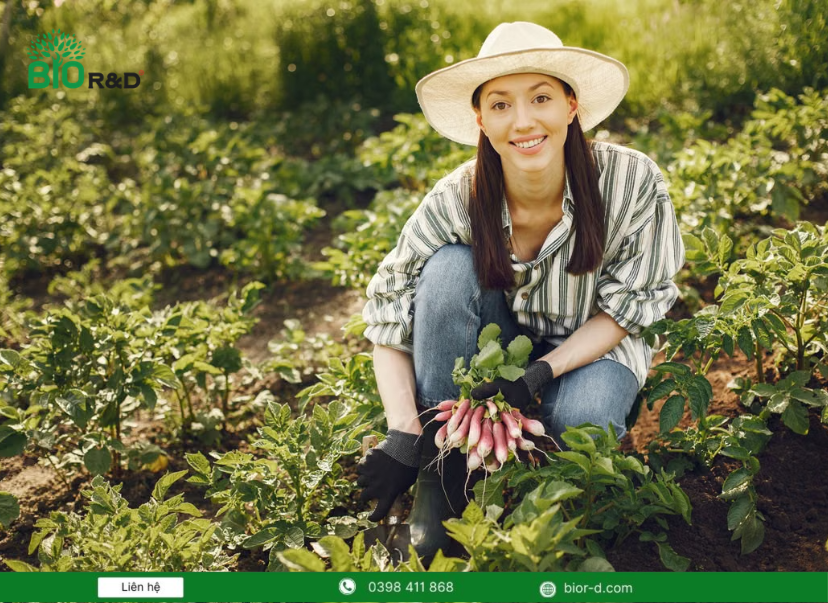
Combining these solutions helps businesses reduce post-harvest losses, enhance product value, and better meet market demands.
Conclusion:
In the modern agricultural production chain, post-harvest vegetable preservation plays a vital role in maintaining quality, reducing losses, and enhancing the economic value of products. An effective preservation process not only helps vegetables retain freshness but also ensures food safety and meets the increasingly high requirements of consumers. Factors such as harvest time, temperature and humidity conditions, processing methods, preservation technology, and transportation processes all have a direct impact on the final quality of the agricultural product. In the future, along with the development of technology and the trend of consuming clean food, modern preservation solutions will play an increasingly important role. Investing in a scientific preservation system is a necessary step to help the agricultural industry reduce waste, improve production efficiency, and develop more sustainably.
Contact Information
BIO R&D COMPANY LIMITED
- Office: 83 Xo Viet Nghe Tinh, Ward 7, Da Lat City, Lam Dong Province
- Farm: Thanh Ha Hamlet, Phi To Commune, Lam Ha District, Lam Dong Province
- Hotline: 0398 411 868 - 0983 276 527
- Website: bior-d.com
- Email: biogap.org@gmail.com