VIE
 EN
Stable Supply Solutions for Clean Agricultural Products for Kitchens and Businesses
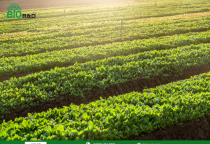
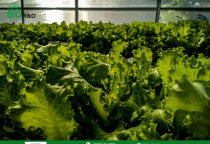
In the context of increasing demand for safe food, ensuring high-quality raw materials is becoming one of the critical factors for collective kitchens, restaurants, hotels, and food production businesses. Beyond needing stable quantities, food-using units today have high requirements regarding origin, farming processes, safety standards, and long-term supply capability. Unlike traditional agricultural trading methods, clean agricultural supply activities today require close connection between production zones, distribution units, and end consumers. An effective supply system must ensure multiple factors such as stable output, uniform quality, accurate delivery times, and product traceability. For corporate kitchens, this issue is increasingly important because they need a large amount of vegetables, meat, seafood, and other ingredients every day to serve employees. If the supply source is unstable or the quality is not guaranteed, businesses can face many difficulties in controlling costs, menu planning, and ensuring food hygiene and safety. Meanwhile, agricultural suppliers are also facing requirements to change their operating methods. Instead of just producing seasonally and selling based on short-term demand, many units have shifted to building private raw material zones, applying management technology, and developing closed-loop supply chains. Therefore, building stable clean agricultural supply solutions not only helps businesses ensure quality food sources but also contributes to increasing the value of agricultural products, reducing dependence on volatile markets, and heading toward a more sustainable production ecosystem.
The role of clean agricultural supply sources for kitchens and businesses
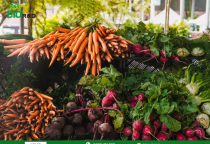
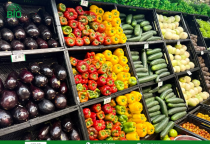
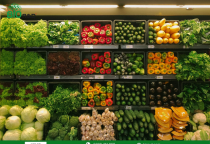
For units using large quantities of food, a stable raw material source plays a decisive role in daily operational efficiency. A corporate kitchen can serve hundreds or thousands of meals per day, so a shortage of ingredients or uneven product quality can directly affect operations. A stable clean agricultural supply helps businesses better control food quality right from the input stage. When products are supplied from standardized growing regions, businesses can minimize the risk of using ingredients containing chemical residues, preservatives, or factors affecting user health. Besides safety factors, a stable supply also helps businesses optimize costs.
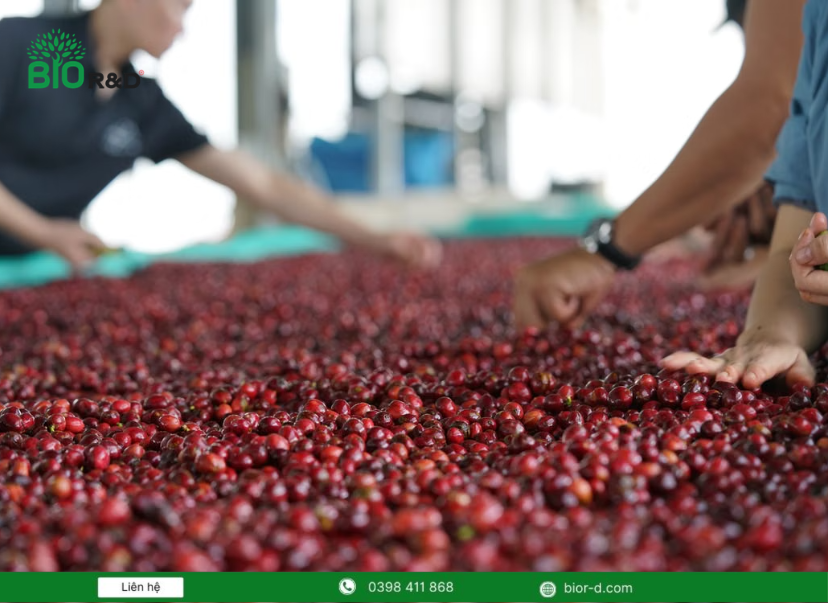
When there is long-term cooperation with suppliers, businesses can be more proactive in purchasing planning, price control, and limiting fluctuations caused by the market. For industrial kitchens, cooperating with professional supply units also saves time in the process of searching, inspecting, and importing goods. Instead of having to work with many small, fragmented sources, businesses can manage a unified, transparent, and more effective supply chain. In addition, using clean agricultural products also contributes to enhancing the brand image of the business. In the current trend, many companies are not only concerned with business efficiency but also focus on employee health and social responsibility.
>>> You may be interested in: Factors Determining Post-Harvest Vegetable and Fruit Quality
Important factors to build a stable clean agricultural supply system
To ensure long-term supply capability for kitchens and businesses, a supply system needs to be built based on many important factors. It is not simply about finding sources of goods; the supplier needs to have the ability to control the entire process from production to distribution.
- Building stable raw material zones helps ensure continuous agricultural product output at different times.
- Controlling cultivation processes helps maintain product quality and limits the risk of food insecurity.
- Applying appropriate production standards helps enhance the reliability of the supplied agricultural products.
- Investing in preliminary processing and preservation systems helps maintain freshness during transportation.
- Building scientific delivery plans helps businesses receive enough ingredients at the requested time.
- Establishing a traceability system helps customers easily check product information.
These factors create an important foundation for forming a professional agricultural supply chain. When each stage is tightly controlled, product quality will be more stable, and businesses can rest assured during the usage process.
Developing private raw material zones to ensure long-term supply
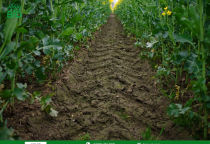
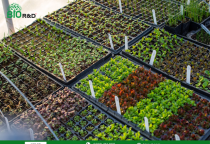
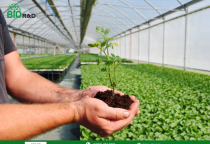
One of the most effective solutions to ensure a stable clean agricultural supply is developing private raw material zones. This is a trend being chosen by many businesses, cooperatives, and distribution units to be more proactive in production activities. When owning a private raw material zone, businesses can directly control important factors such as plant varieties, care methods, amount of fertilizer used, and harvest time. This helps limit dependence on external sources and enhances quality control capability.
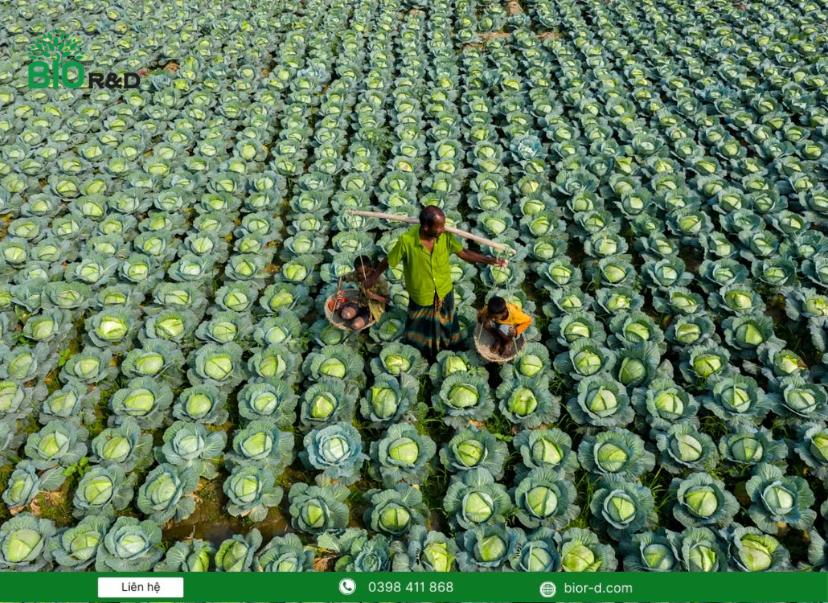
Besides that, private raw material zones also help businesses build production plans suitable for actual needs. Instead of relying completely on seasons or market fluctuations, suppliers can proactively adjust output to meet customer needs. Especially for businesses with large agricultural product usage needs like industrial kitchens, linking with raw material zones helps significantly reduce the risk of shortages. This is an important factor to maintain stable operations for a long time. In addition, developing raw material zones also contributes to enhancing value for farmers by creating sustainable production links instead of short-term trading models.
>>> You may be interested in: The Role of Beneficial Microbial Systems in Modern Agricultural Production
Application of technology in managing clean agricultural supply chains
Technology is playing an increasingly important role in improving the efficiency of clean agricultural supply activities. Thanks to modern technical solutions, businesses can better manage from production, preservation to distribution.
- Traceability systems help fully record information from the growing region to the end consumer.
- Inventory management software supports controlling quantity, import/export time, and product expiration dates.
- Sensor technology helps monitor temperature and humidity conditions during preservation.
- Order management platforms help optimize delivery schedules and reduce errors in operation.
- Production data helps businesses predict demand and adjust supply plans.
- Automation technology helps increase efficiency in the process of preliminary processing and packaging of agricultural products.
Applying technology not only helps businesses save costs but also increases transparency, creates trust with customers, and enhances competitiveness in the market.
Professional clean agricultural supply process for businesses
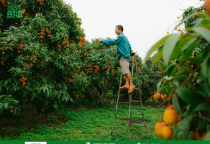
An effective supply system needs a clear operating process from production to when products are put into use. Each step in the chain has a direct impact on the final quality of the agricultural product. The first step is the process of selecting suitable production sources. Suppliers need to evaluate growing regions, land conditions, farming methods, and the ability to meet output. After that, agricultural products are harvested according to suitable standards to ensure freshness and nutritional value.
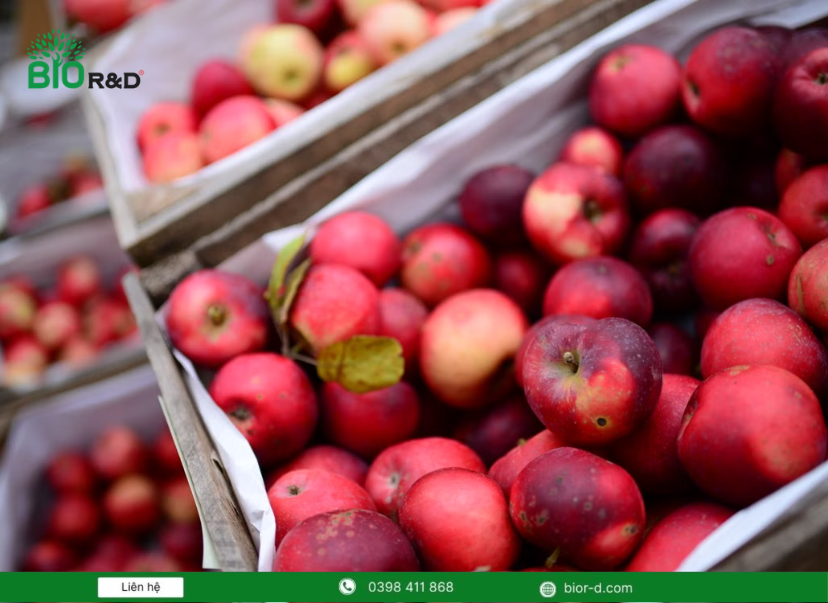
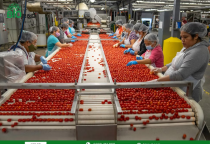
Products after harvest need to be preliminarily processed, sorted, and preserved under appropriate conditions. Next is the transportation process to businesses or kitchens. This stage requires accuracy regarding time and preservation conditions to limit quality decline. Finally, businesses need an input inspection mechanism to ensure the received products meet requirements regarding quantity, quality, and food safety. A professional process will help the entire supply chain operate effectively, reduce waste, and create long-term stability.
>>> You may be interested in: Trend of Consuming Food with Transparent Traceability
Solutions to improve clean agricultural supply efficiency in the future
In the coming time, the demand for clean and transparent food sources will continue to increase strongly. Therefore, suppliers need to continuously improve processes to meet the increasingly high requirements from businesses and consumers.
- Strengthen linkages between farmers, cooperatives, and businesses to create stable production chains.
- Invest in preservation technology to help reduce losses and increase product usage time.
- Develop production regions according to safety standards to enhance agricultural product value.
- Build quality control systems throughout from production to distribution.
- Enhance logistics capacity to ensure delivery speed and product quality.
- Enhance information transparency to create trust for business customers.
These solutions will help the agricultural supply industry develop in a more professional direction, meeting the needs of the modern market better.
Difficulties when building a clean agricultural supply chain
Although having much development potential, the process of building a clean agricultural supply system still faces some challenges. One of the biggest problems is the lack of linkage between production and consumption. Many production regions today still rely on small-scale farming methods, making quality and output control difficult.
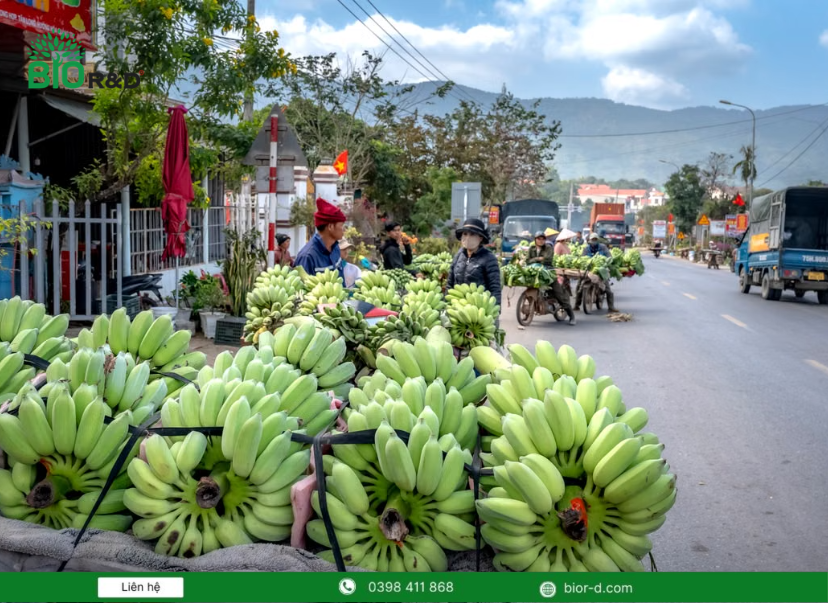
Besides that, investment costs in preservation technology, cold storage, and management systems are also barriers for many units. In addition, agricultural markets often fluctuate, causing difficulties in maintaining stable price levels. To solve this problem, long-term cooperation is needed between producers and consuming businesses. When parties build a common development strategy together, the supply chain will become more sustainable and bring benefits to all participants.
Conclusion:
In the context of increasing demand for safe food, building a stable clean agricultural supply system becomes an important factor for kitchens and businesses. A quality supply source not only ensures food safety but also helps businesses optimize costs, improve operational efficiency, and build long-term reputation. To achieve this goal, it is necessary to combine many solutions such as developing raw material zones, applying technology, controlling quality, and building close linkages between parties in the value chain. In the future, professional, transparent, and sustainable agricultural supply models will increasingly play an important role in the food industry. This is the direction that helps businesses proactively manage raw materials, producers enhance product value, and consumers gain access to safer food sources.
Contact Information
BIO R&D COMPANY LIMITED
- Office: 83 Xo Viet Nghe Tinh, Ward 7, Da Lat City, Lam Dong Province
- Farm: Thanh Ha Hamlet, Phi To Commune, Lam Ha District, Lam Dong Province
- Hotline: 0398 411 868 - 0983 276 527
- Website: bior-d.com
- Email: biogap.org@gmail.com